
Last updated November 21, 2026
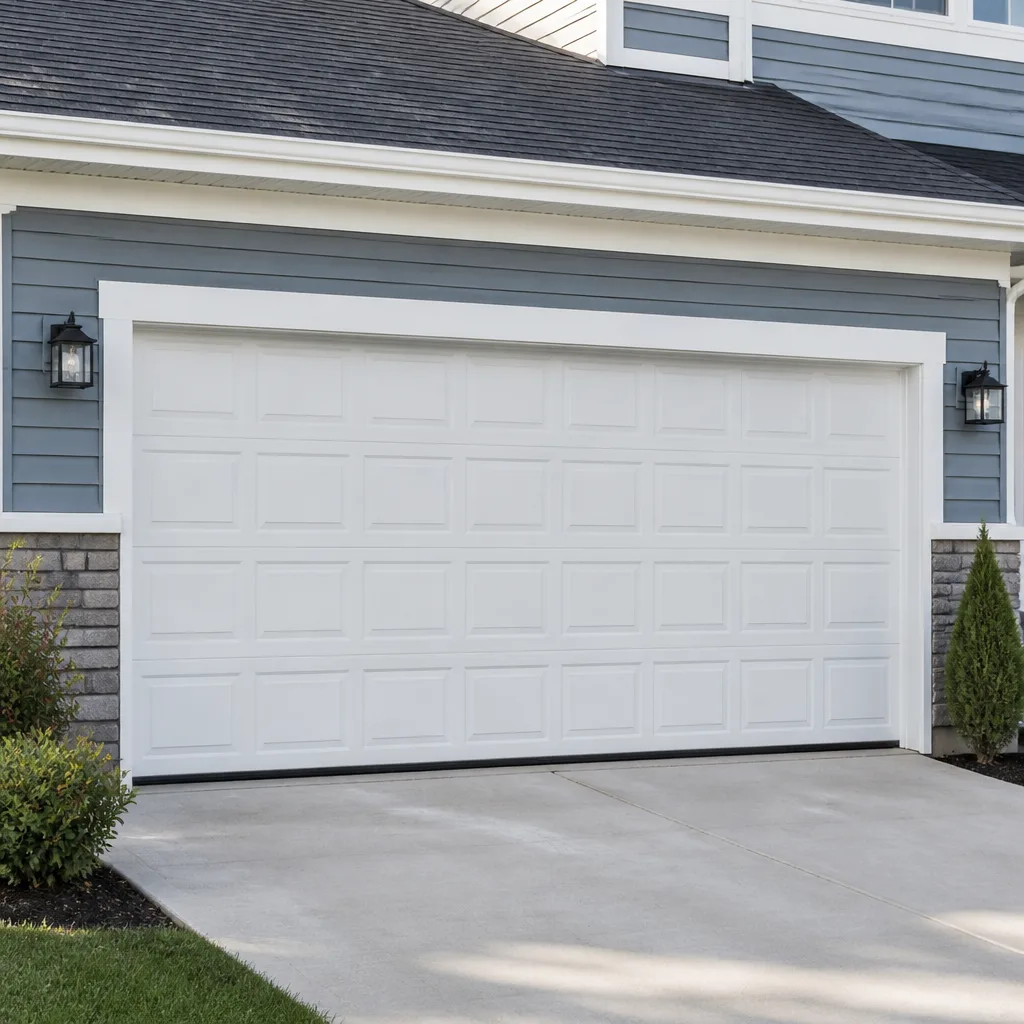 Raised-panel steel
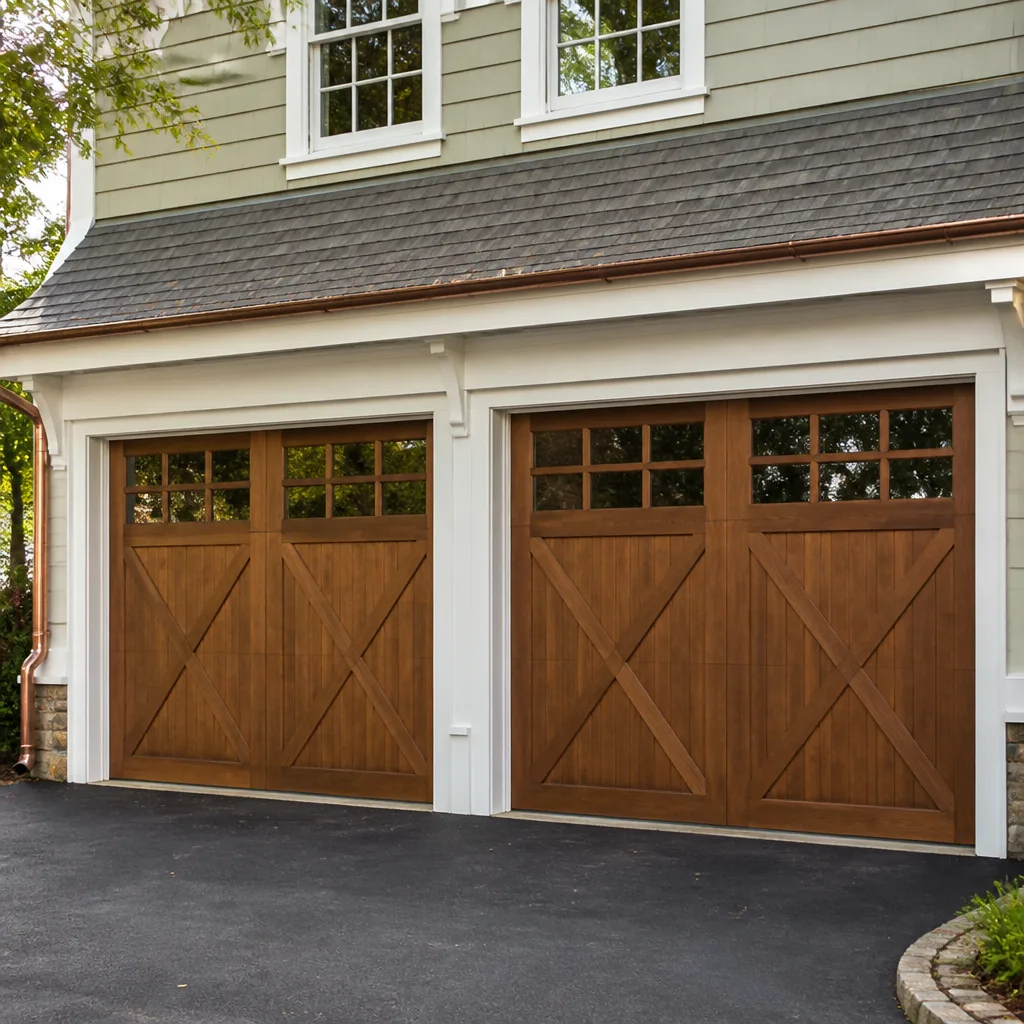 Carriage house
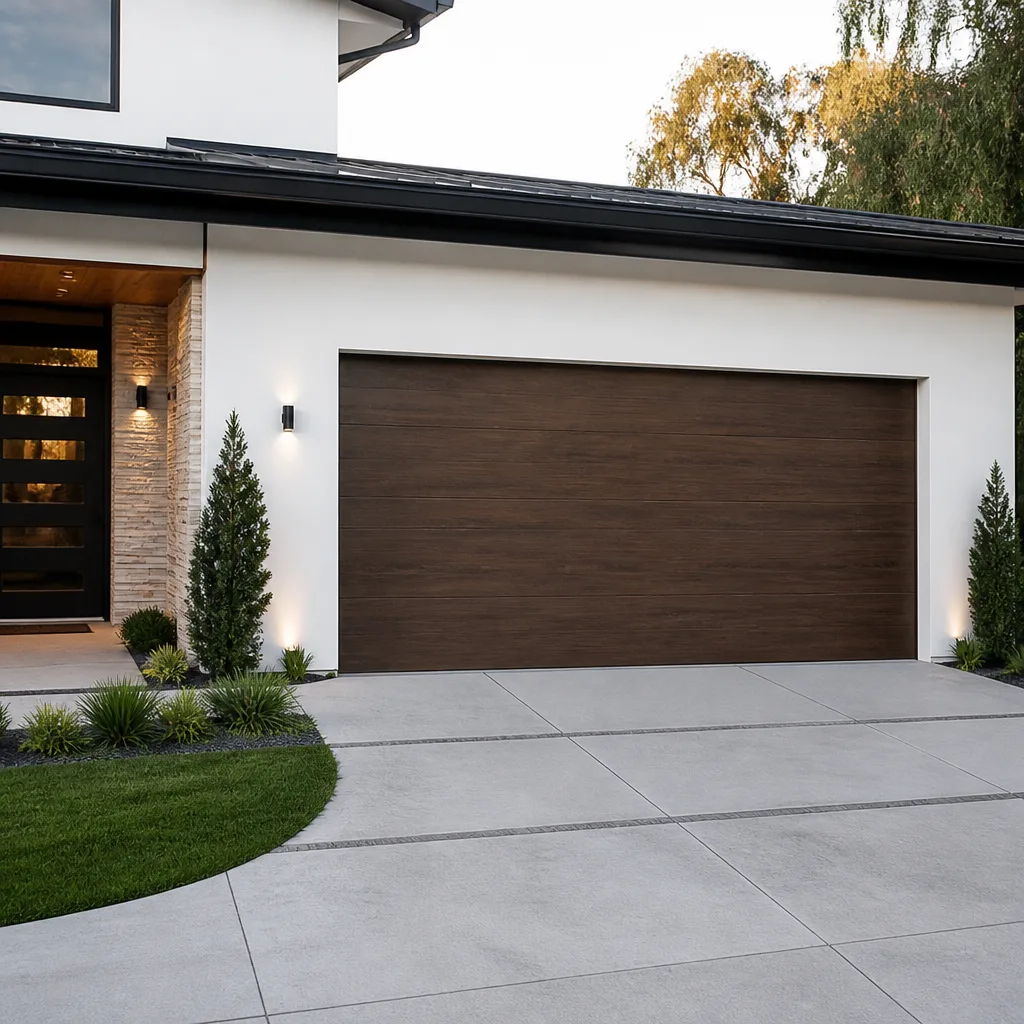 Modern flush
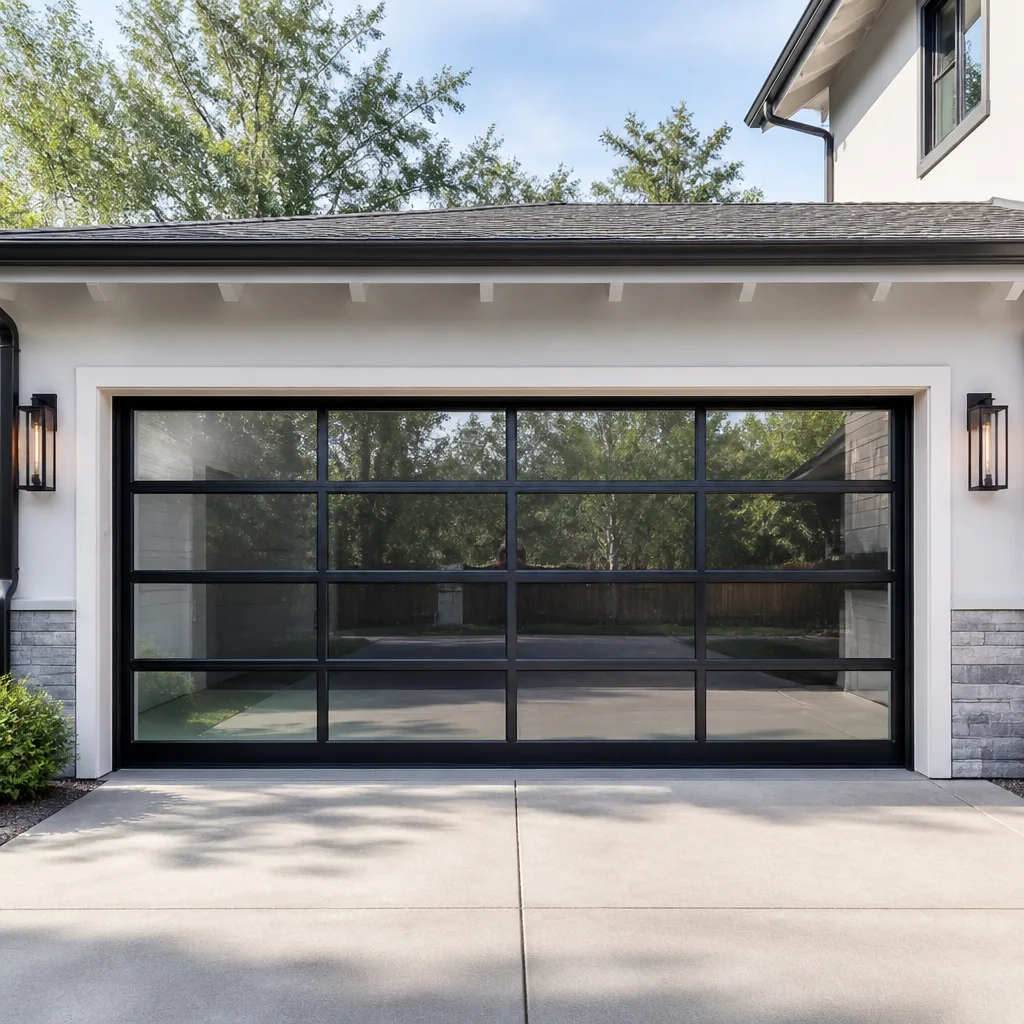 Full-view glass
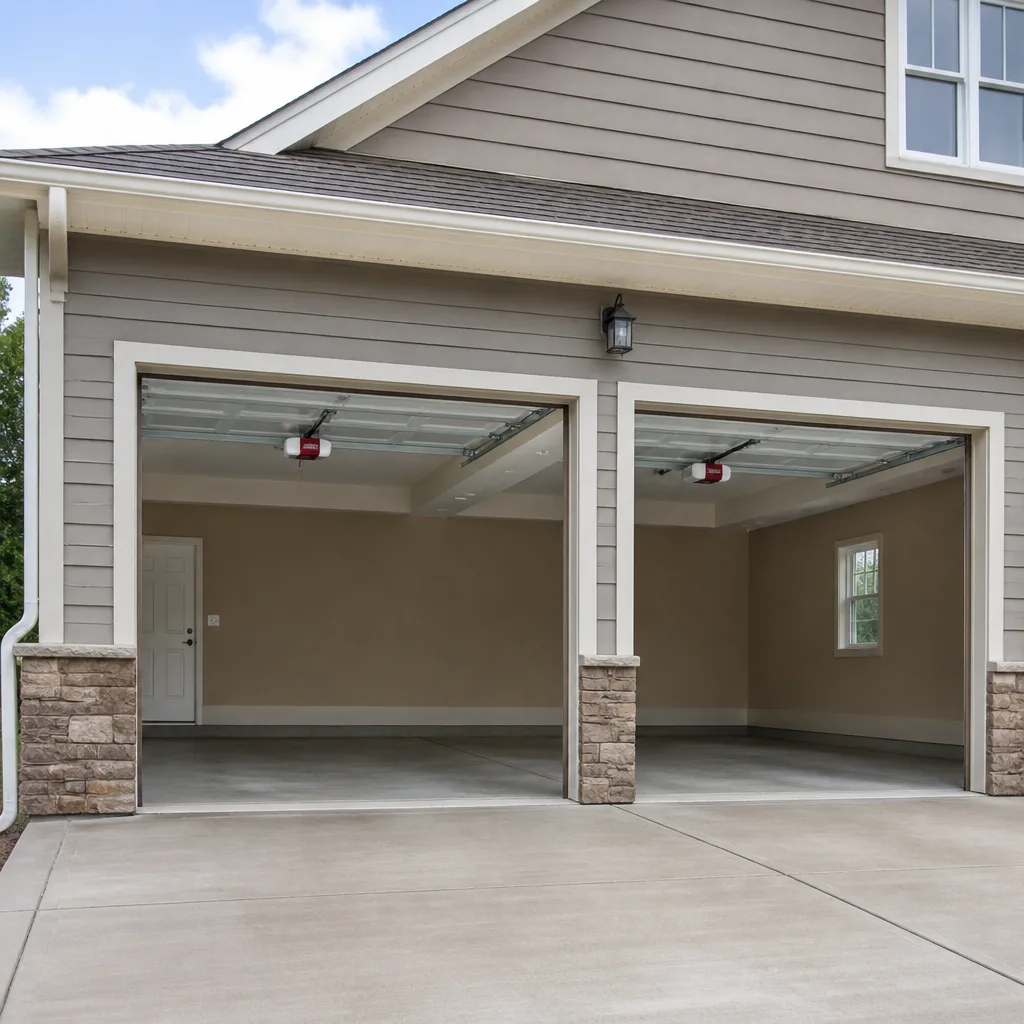 LiftMaster openers
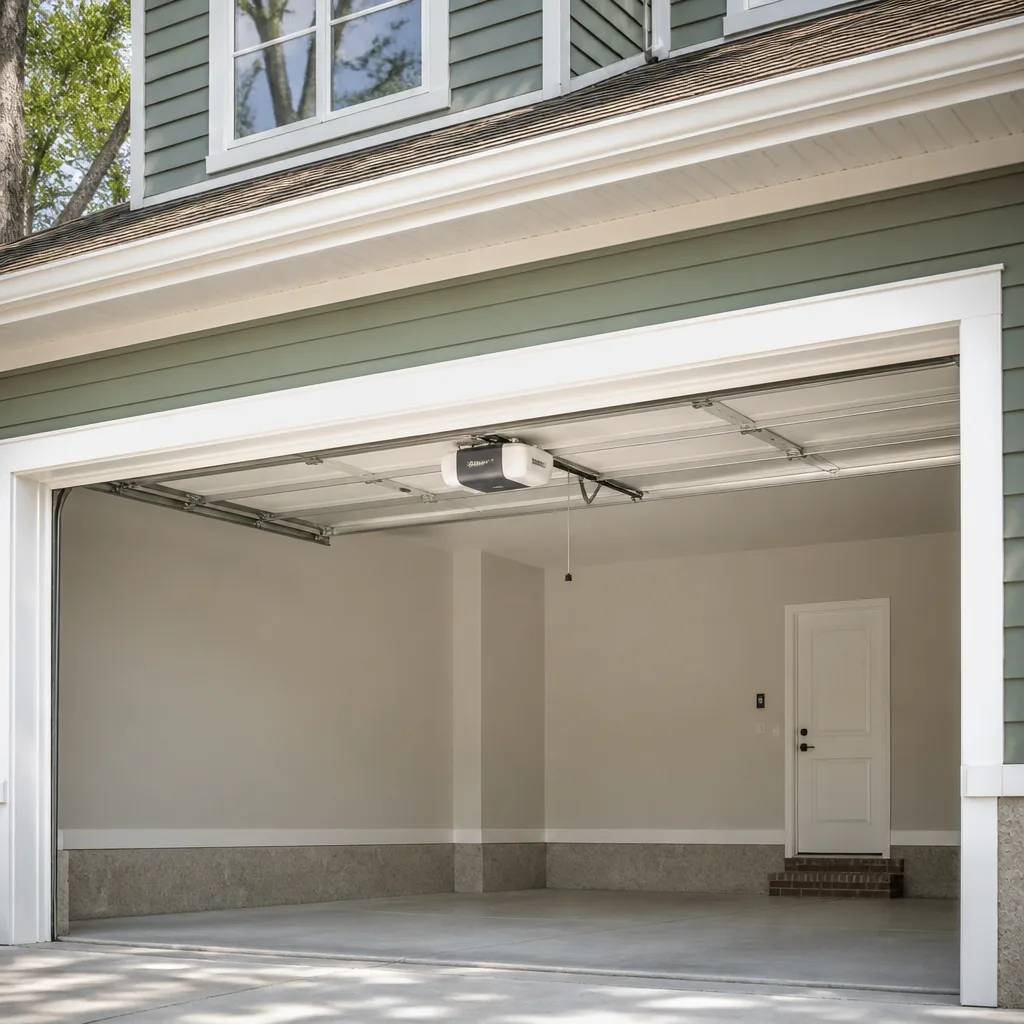 Chamberlain openers
Full 25-point door and opener safety check with every visit - springs, cables, rollers, tracks, and your LiftMaster or Chamberlain opener included
You get a price before we start. It does not change when the pro arrives.
Get your free estimateSeasonal Garage Door Care for Mott Haven: Year-Round Homeowner’s Guide
Most Mott Haven homeowners assume their garage door will fail on the coldest night of the year. In our experience, that’s not how it works. February failures are usually the last link in a chain that started back in October: a bottom seal that dried and cracked, a hinge that never got lubricated, a spring carrying tension it shouldn’t have to. Each freeze-thaw cycle in December and January works on those small weaknesses until the weakest part gives. This guide walks through what a Mott Haven door actually faces across a full year and the maintenance rhythm that keeps it moving, season by season.
Quick Answer
Seasonal garage door care in Mott Haven means adjusting your maintenance to a humid, freeze-thaw climate rather than following a generic four-seasons checklist. The most important window is October: inspect the bottom seal, check spring tension, and lubricate the moving hardware before winter stress accumulates. In summer, watch for thermal expansion in the metal tracks and check your opener’s force settings before the first cold snap.
Styles & brands we work with
- Raised-panel steel
- Carriage house
- Modern flush
- Full-view glass
- LiftMaster openers
- Chamberlain openers
Table of Contents
- Why Mott Haven Garage Doors Face a Different Seasonal Cycle
- Fall Prep: The October Tasks That Prevent February Failures
- Winter: Force Settings, Frozen Seals, and What Not to Touch
- Spring: De-Icer Damage, Track Wear, and Threshold Seals
- Summer: Heat, Humidity, and Thermal Expansion
- Year-Round Opener Care Across the Brands You Already Own
- Your Twelve-Month Mott Haven Maintenance Calendar
- Common Mistakes to Avoid
- When to Call a Professional
- Frequently Asked Questions
Why Mott Haven Garage Doors Face a Different Seasonal Cycle
Mott Haven sits in one of the most thermally demanding environments in New York: a dense, built-up neighborhood where brick, asphalt, and concrete absorb heat all day and release it slowly at night. That urban heat island effect means your garage door doesn’t experience the same even seasonal curve as a door in a suburban or rural setting. Summer afternoons are hotter at the door surface than the shaded air temperature suggests, and winter nights hold cold against metal longer because the surrounding masonry keeps radiating stored chill.
Layer on our actual weather pattern: humid summers that push moisture into wood panels and hardware, followed by repeated freeze-thaw cycles from December through February. That combination does more damage to a residential door than a single extreme event. Water works into a hairline gap, freezes, expands, and widens the gap. The next thaw lets more moisture in. Do that a dozen times and a bottom seal that looked fine in November starts splitting in January.
Most of the neighborhood is made up of pre-war rowhouses, multi-family buildings, and a growing number of newer residential conversions along the waterfront and near the major transit corridors. That housing mix matters for garage door care:
- Older rowhouse garages often carry original or older wood-frame components, which swell and shrink more with humidity than steel.
- Multi-family buildings frequently have shared garage structures where one failing door affects several households, making seasonal checks more important.
- Newer construction tends toward insulated steel panels and modern smart openers, where the seasonal concerns shift to electronics and thermal expansion rather than wood rot.
The point is that Mott Haven doesn’t reward a template. Read the rest of this guide as a schedule tuned to this neighborhood’s specific extremes. When a door does fail, whether it’s a snapped spring or a garage door repair job brought on by years of deferred maintenance, having the schedule below in place is what shortens the list of things that can go wrong.
Fall Prep: The October Tasks That Prevent February Failures
October is the single most valuable maintenance month on the Mott Haven calendar. Everything you do now gets your door through the freeze-thaw season with its seals, springs, and hardware intact. Everything you skip shows up in February as a failure.
Work through this in order, on a dry day, with the door closed at the start:
- Inspect the bottom seal. Run your hand along the rubber or vinyl seal under the door and look for cracks, flattening, or gaps where daylight shows through at the corners. A seal that’s already hardening won’t survive a freeze-thaw winter. Replace it before the cold sets in.
- Check spring tension visually, not physically. Look at both springs above the door. A spring with a visible gap, a stretched coil, or uneven gaps between coils is telling you it’s stressed. Don’t try to adjust or remove a torsion spring yourself. That’s a job for a trained technician because the tension can release suddenly and cause serious injury.
- Lubricate the moving parts. Apply a garage door lubricant to hinges, rollers, the torsion bar bearings, and the opener’s rail. Avoid heavy grease, which collects grit. A proper door lubricant, applied in October, keeps hardware moving freely through the cold months.
- Test the door’s balance. Disconnect the opener and lift the door halfway by hand. It should stay there. A door that drifts down under its own weight means the spring tension is off, and it should be checked before winter.
- Test the safety reverse. Place a small object in the door’s path and confirm the door reverses when it contacts it. If it doesn’t, the opener’s safety settings need attention before winter.
- Clear the track and threshold. Sweep leaves and grit out of the tracks and the threshold area. Debris that gets frozen into the track in January can bind the door as it closes.
Spring repair is one of the most dangerous and technically demanding garage door jobs, and it’s not a task to hand to a generalist. If anything on your October inspection suggests worn springs, that’s a call to make now rather than in the middle of February. For a full diagnosis, garage door repair in Mott Haven covers spring, track, and hardware checks.
Winter: Force Settings, Frozen Seals, and What Not to Touch
When temperatures drop, every material in your garage door changes at a different rate. Metal tracks contract. Seal rubber gets stiff. Lubricant thickens. And your opener, which was perfectly calibrated in mild weather, is now forcing the door against more resistance than it was set for. That’s why a door that ran fine in October can start struggling in December.
The fix is adjusting your opener’s force settings, and it’s one of the few adjustments a homeowner can safely make. For most Chamberlain and Genie openers, the force settings are on the back or side of the motor housing and the procedure is in the manual. You’re looking for a small increase in the force setting toward the “up” direction so the door can overcome the added resistance. Don’t overdo it. Too much force masks a real problem rather than solving it, and it defeats the opener’s safety reverse.
Things you should not touch in winter:
- Torsion springs. Cold makes them more brittle, and the stored energy is unchanged. Any spring adjustment is a job for a trained technician, no exceptions.
- Cables. If a cable looks loose or frayed, don’t take up the slack yourself. Cables are under tension and can recoil dangerously.
- The tracks. Don’t try to bend or pry a track back into alignment in freezing weather, when metal is more likely to crack.
One winter habit worth adopting in Mott Haven: after a storm that leaves ice or snow at the threshold, clear it with a broom rather than a shovel. A shovel blade catches on the bottom seal and tears it loose. A torn seal lets cold air and moisture into the garage all winter, compounding everything else.
If your door won’t move and it’s a genuine emergency, our team answers calls 24/7. Fast dispatch runs from 7am to 7pm, Sunday through Friday, and we’ll get out to look at it. Spring failure in cold weather is a safety issue, not just an inconvenience, so don’t force the door if you hear or see something wrong.
Spring: De-Icer Damage, Track Wear, and Threshold Seals
Spring is the season when winter’s damage becomes visible. As temperatures climb and the ground thaws, take the time to walk around your door and check for the three most common post-winter problems in Mott Haven.
De-Icer and Road Chemical Damage
In a dense neighborhood like Mott Haven, street salt and de-icers travel on tires into garages and onto garage door tracks and thresholds. The chemicals that keep roads passable are tough on metal. You’ll see them as white crust or powdery deposits on the lower track, hinges, and threshold. Left in place, they hold moisture against the metal and start the corrosion process. Clean them off with a damp rag and a mild detergent, and dry thoroughly. After cleaning, reapply lubricant to the hinges, rollers, and lower track.
Track Wear and Alignment
Feet, tools, and winter grit all bash into the lower track. Check for dents, bent edges, or sections that no longer line up with the vertical track. A track that’s out of alignment makes the door bind. You can straighten a slightly bent lower track if you’re careful, but if the bend is deep or the track is separating from the wall brackets, call a technician. Track damage often hides spring wear underneath.
Threshold Seal Replacement
The threshold seal is the first thing to fail after a free-thaw winter. Look for a seal that’s detached, cracked, or sitting unevenly. A loose threshold lets water in during spring rain and lets cold air in next winter. Replacing a threshold seal is a manageable DIY job on most doors: coil the new seal to soften it, then feed it into the track or adhere it with the manufacturer’s adhesive, depending on the seal type. If your door has a specific bottom seal from a manufacturer like Amarr, order the matching part rather than a universal one.
Spring is also a sensible time to schedule a full inspection. If your door has been grinding or binding all winter, the underlying cause is usually visible by April, and fixing it now is cheaper than waiting for a complete failure in July. We handle installations as well as repairs, so if the winter damage is beyond repair, garage door installation starts with an honest assessment of whether repair or replacement makes more sense.
Summer: Heat, Humidity, and Thermal Expansion
Mott Haven summers hit garage doors on two fronts at once. Humidity swells wood components and drives moisture into hardware, while heat makes metal expand. In a dense residential block where buildings trap heat, your garage may regularly be several degrees hotter than the forecast, especially if the door faces south or west.
Humidity and the Urban Heat Island Effect
The heat island effect is real and it has a specific impact on garage door electronics. A modern smart opener like a LiftMaster or Chamberlain unit with Wi-Fi and myQ connectivity is a small computer living inside a hot box. High heat and humidity stress circuit boards and battery-dependent components. If your opener starts acting up in July and August, that’s the reason more often than not. Give the motor housing breathing room and make sure it’s not blocked by stored items.
Wooden door panels swell in humid weather. If you notice the door fitting tighter in July than in April, that’s normal expansion. What’s not normal is a door that won’t close at all, or one that binds hard against the frame. That’s a sign the panel has swollen beyond the door’s tolerances, and it needs adjustment or the door needs replacement with an insulated steel or aluminum option.
The One Measurement That Tells You if Your Tracks Need Adjustment
Thermal expansion affects metal track alignment in summer. Here’s the check that tells you whether it matters:
- Close the door completely.
- Measure the gap between the door panel and each vertical track at the top, middle, and bottom, on both sides.
- Compare the three measurements on each side.
- If the gap varies by more than about 1/4 inch from top to bottom, or the left and right sides differ significantly, your track has moved and needs adjustment.
That quarter-inch gap check is the single most useful summer measurement on a garage door. It takes two minutes and catches track misalignment before it starts damaging rollers and hinges. If the gap is consistent, your track is fine and the seasonal expansion is within tolerance.
Year-Round Opener Care Across the Brands You Already Own
Openers don’t get a season off. They run in July heat and January cold, and the care that keeps them working is broadly the same regardless of which system is on your ceiling. We work on LiftMaster, Chamberlain, Genie, Craftsman, and Raynor openers, along with Clopay, Amarr, and Wayne Dalton doors, which means we can service the equipment you already have without a brand mismatch or a voided warranty. Modern smart openers like myQ-enabled LiftMaster and Chamberlain units have a few extra points worth checking, but the fundamentals are the same across the board.
A year-round opener checklist:
- Test the safety reverse every season. Place a small object in the door’s path and confirm it reverses. This is the single most important safety function on any opener.
- Lubricate the rail. A dry rail makes the opener work harder and stresses the motor.
- Check the battery in your remotes and keypad. A dead keypad battery in a Midwest-style cold snap can leave you locked out of your car for the morning, and it happens often.
- Keep the photo-eye lenses clean. Dust and cobwebs on the sensors at the bottom of the tracks cause intermittent door failures that look like a motor problem but aren’t.
- Clear the motor housing. Smart openers need airflow around the electronics. Don’t stack boxes against them.
When an opener fails, the diagnosis matters as much as the repair. A door that reverses immediately, a motor that hums without moving the door, and a remote that works only sometimes are three different problems with different causes. Our garage door opener repair work starts with a diagnosis: it tells you whether the fix is a setting, a sensor, a gear, or the unit itself. We cover the brands we’ve named, and our technicians have up to 13 years of experience with them.
Your Twelve-Month Mott Haven Maintenance Calendar
A quick reference for the whole year. Print it or keep it in your phone. The months are grouped by what matters most in Mott Haven’s climate, not by a generic suburban seasonal cycle.
October (The Big One)
- Inspect the bottom seal for cracks and daylight gaps
- Visually check spring tension; schedule a professional inspection if anything looks off
- Lubricate hinges, rollers, torsion bar bearings, and opener rail
- Test door balance and safety reverse
- Clear and clean tracks and threshold
November Through February (Winter Watch)
- Adjust opener force settings before the first hard freeze
- Clear ice and snow from the threshold with a broom, not a shovel
- If the door starts binding, call for a check rather than forcing it
- Never adjust springs or cables in cold weather
March Through May (Recovery)
- Clean de-icer residue from lower tracks, hinges, and threshold
- Reapply lubricant
- Inspect and replace threshold seals and bottom seals
- Straighten or have bent lower tracks fixed
June Through September (Heat Management)
- Check the quarter-inch track gap measurement
- Clear airflow around the opener motor
- Check wood panel swelling and door frame clearance
- Clean photo-eye lenses and replace remote and keypad batteries
- Test safety reverse again
One thing we’d add to every Mott Haven household: keep the manual for your opener and door with your home documents. Knowing the exact model of your opener, and the exact part number for your bottom seal, saves time and money when something does go wrong.
Common Mistakes to Avoid
- Skipping October because the door “still works.” A working door in October is no guarantee it will work in February. The whole point of fall prep is catching problems while they’re still small. In Mott Haven, October is the month that earns its keep.
- Lubricating with the wrong product. Heavy grease and WD-40-style general lubricants aren’t door lubricants. They attract grit and can actually make moving parts bind faster. Use a product labeled for garage doors.
- Adjusting springs yourself. Torsion springs store enormous energy. Any adjustment, no matter how small, needs a trained technician, because a sudden release can cause serious injury. If your door is grinding, a spring is often the cause.
- Increasing the opener’s force setting to mask the problem. A small increase is fine in cold weather. If you find yourself turning it up repeatedly, the door has a real mechanical problem, and the extra force is hiding it.
- Ignoring track damage after winter. A slightly bent lower track gets worse as the door runs. Left alone, it chews through rollers and strains the opener. Fix it in spring.
- Shoveling the threshold like a sidewalk. A shovel blade tears seals. Use a broom or push the snow gently. A torn bottom seal is one of the most common winter injuries to a garage door, and one of the easiest to avoid.
- Ignoring de-icer residue because it’s “just cosmetic.” White powdery buildup on tracks and hinges holds moisture against metal and accelerates corrosion. A quick wipe-down in March is cheap; replacing rusted hardware isn’t.
When to Call a Professional
Some seasonal tasks are homeowner work: lubrication, seal inspection, opener force settings, the quarter-inch track measurement, and clearing debris. Others aren’t. Call a professional when a spring is visibly damaged or the door is sagging on one side, when the door won’t stay up in the halfway position, when a cable looks loose or frayed, when the tracks have been knocked out of alignment beyond a minor bend, or when an opener’s safety reverse won’t reset. In each of these, the risk of injury or further damage makes the professional call the right one.
Garage Door Repair Mott Haven offers free estimates and written pricing on every job. Call (877) 931-8297. We answer 24/7. Fast dispatch from 7am to 7pm, Sunday through Friday. If it’s an emergency, spring failure or a door stuck open, we’ll get a technician out to look at it fast. If it’s a scheduled seasonal check, we’ll book it and get your written estimate before any work starts.
Frequently Asked Questions
October is the best month for a full service in Mott Haven. Fall prep before the freeze-thaw cycle sets in prevents the February failures that most homeowners assume are unavoidable. A secondary check in March, after winter, catches de-icer damage and seal wear while spring weather makes the work easy.
February failures are usually the result of stress built up through December and January, not a single cold night. Repeated freeze-thaw cycles widen cracks in seals, stiffen lubricant, and put extra strain on springs. By February, the weakest component has taken as much as it can. Call (877) 931-8297 for an exact quote on getting it repaired; estimates are free.
The force adjustment is on the back or side of the motor housing on most Chamberlain and Genie units, and the procedure is in the manual. You’re increasing the force slightly toward the “up” direction so the door can overcome cold-weather resistance. Don’t increase it beyond what the manual recommends. If a small adjustment isn’t enough, the door has a mechanical problem that force can’t fix.
We can for repair calls. We answer 24/7 and dispatch from 7am to 7pm, Sunday through Friday. We’re closed Saturday. If you call and it’s outside our dispatch hours, we’ll book you into the next opening, Sunday through Friday, 7am to 7pm. For installation and new-door work, we schedule a measure and a written price rather than a same-day repair.
No. The price is quoted and agreed before any work starts. We give a written estimate, and that’s the price. If we discover something during the work that changes the scope, we’ll stop and talk to you about it before doing anything that adds cost. Call (877) 931-8297 for an exact quote; estimates are free.
The local professionals we connect you with are licensed and insured as the state requires. They’re trained on spring repair, opener repair, and full installations across the brands we service: LiftMaster, Chamberlain, Genie, Clopay, Amarr, Wayne Dalton, Craftsman, and Raynor. Call (877) 931-8297 for an exact quote.
The Bottom Line
Mott Haven’s garage door problems are seasonal, but they’re not surprising once you know the pattern. The stress that breaks a door in February started in October. The de-icer damage that shows up in March was there all winter. The track misalignment that binds the door in July is measurable in minutes with a quarter-inch gap check. The homeowners who have the easiest time with their doors are the ones who work the calendar: fall prep, winter watch, spring recovery, summer heat management. Our technicians have up to 13 years of experience and service the brands you already own. When a task is beyond a homeowner’s scope, especially anything involving springs and cables, that’s when to call.
Ready to get ahead of the season? Call (877) 931-8297 for a free estimate. We answer 24/7. Fast dispatch from 7am to 7pm, Sunday through Friday. We’ll assess your door, give you a written price, and get you on a maintenance rhythm that fits Mott Haven’s climate.
Written by the team at Garage Door Repair Mott Haven.
See the difference
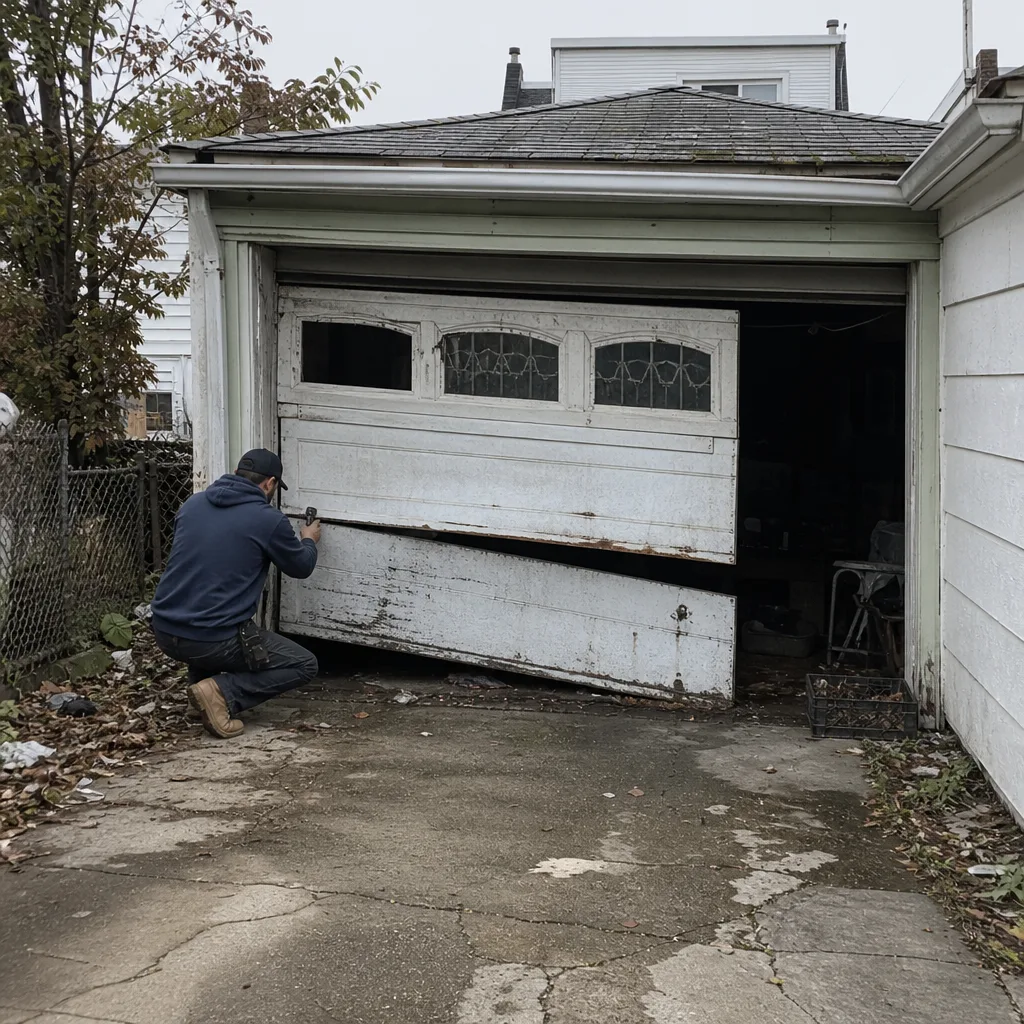 Before
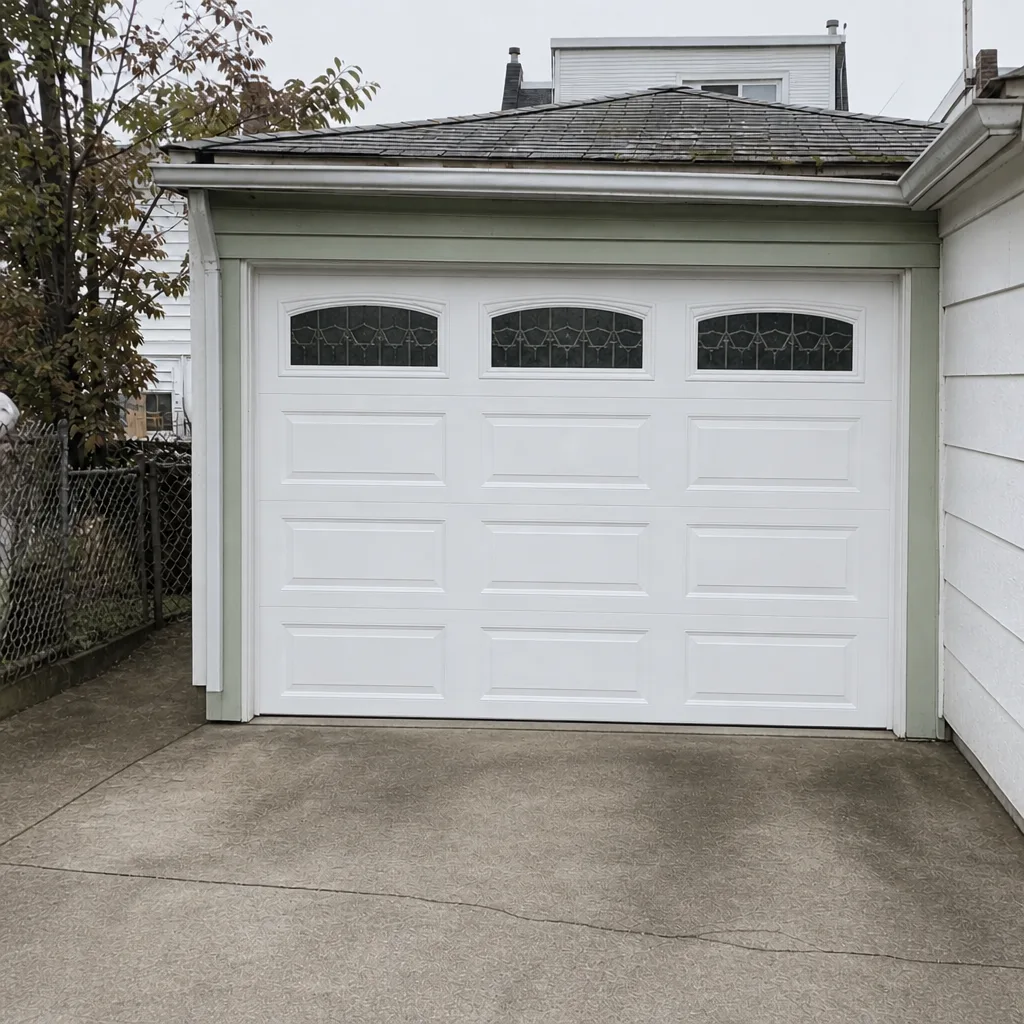 After
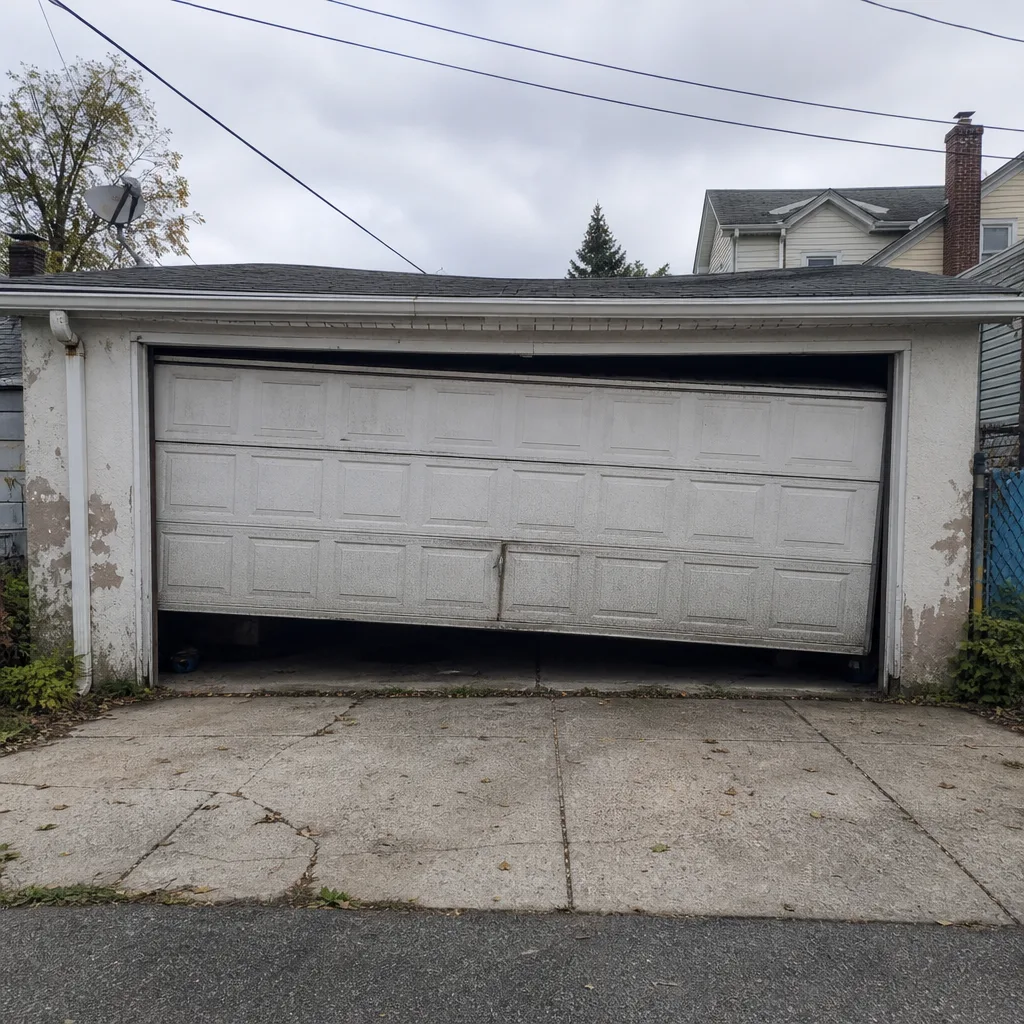 Before
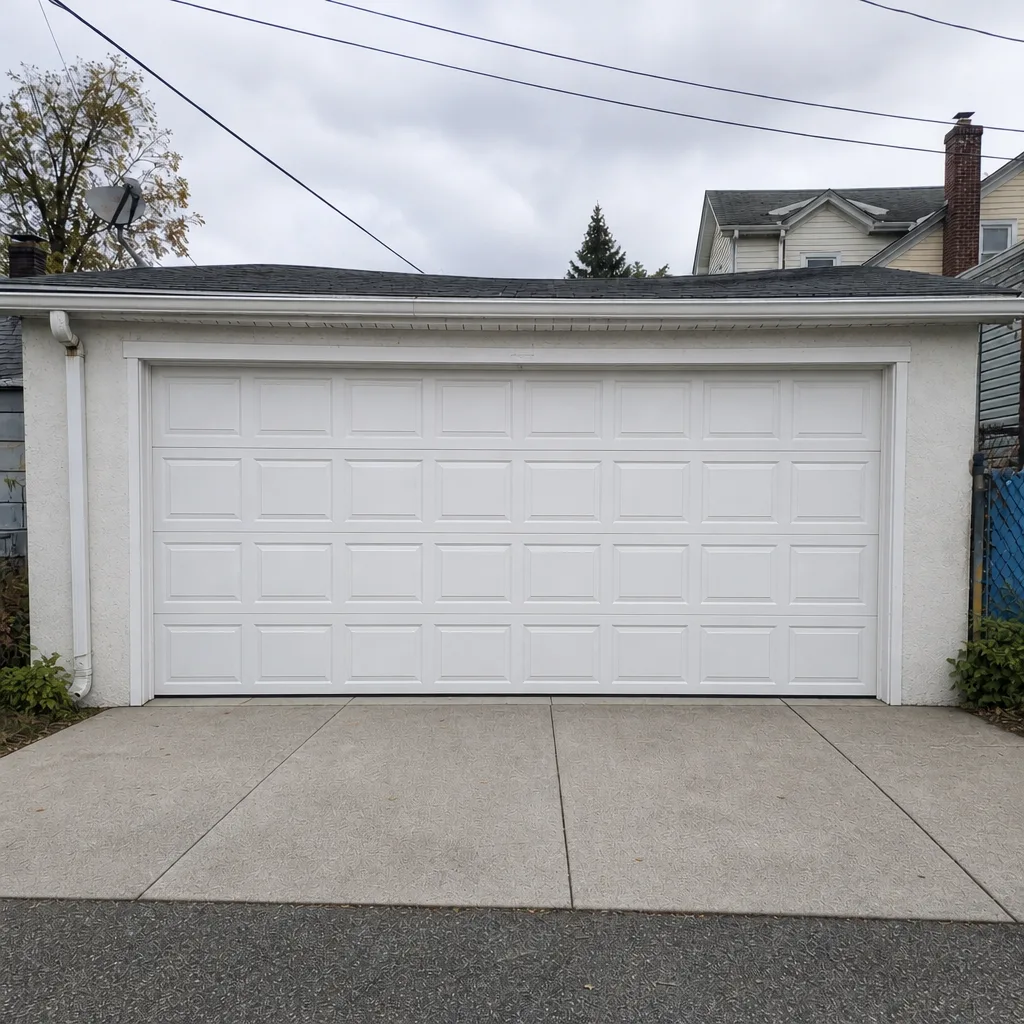 After
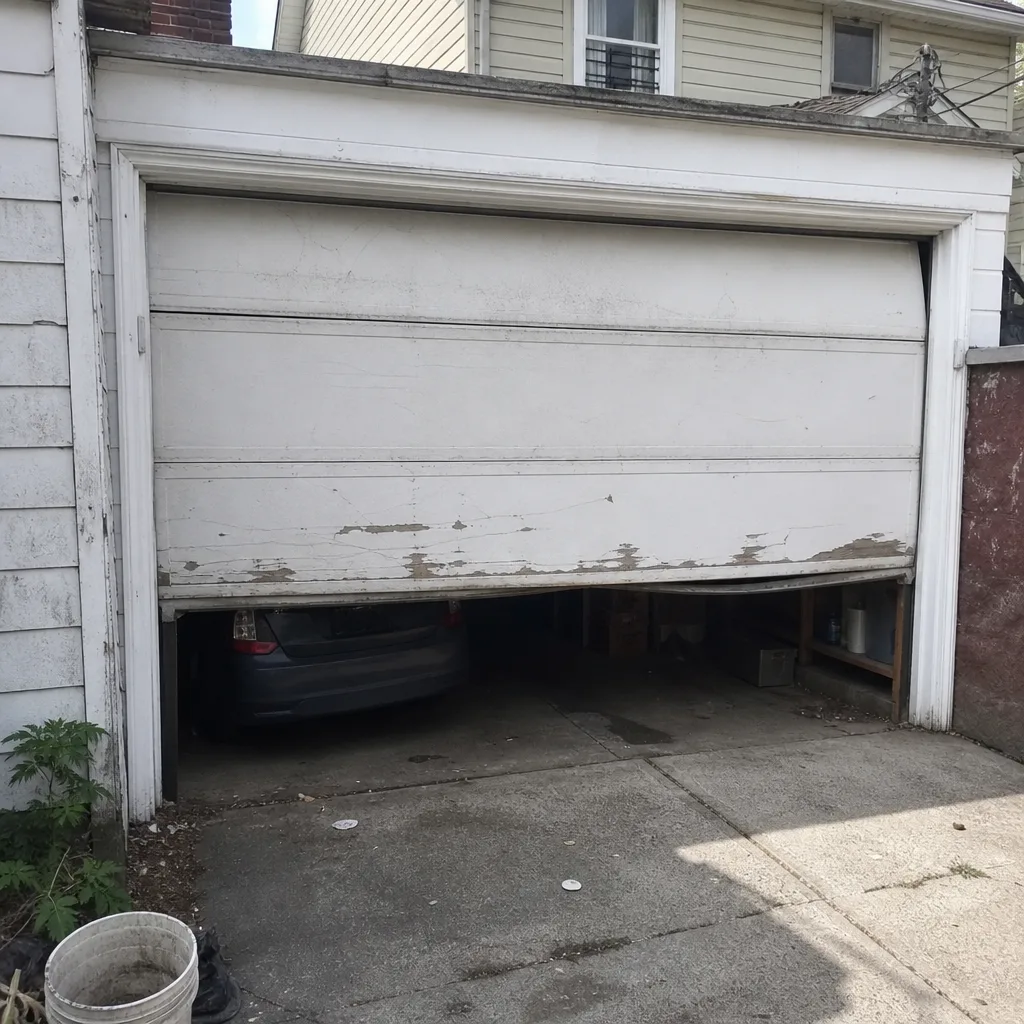 Before
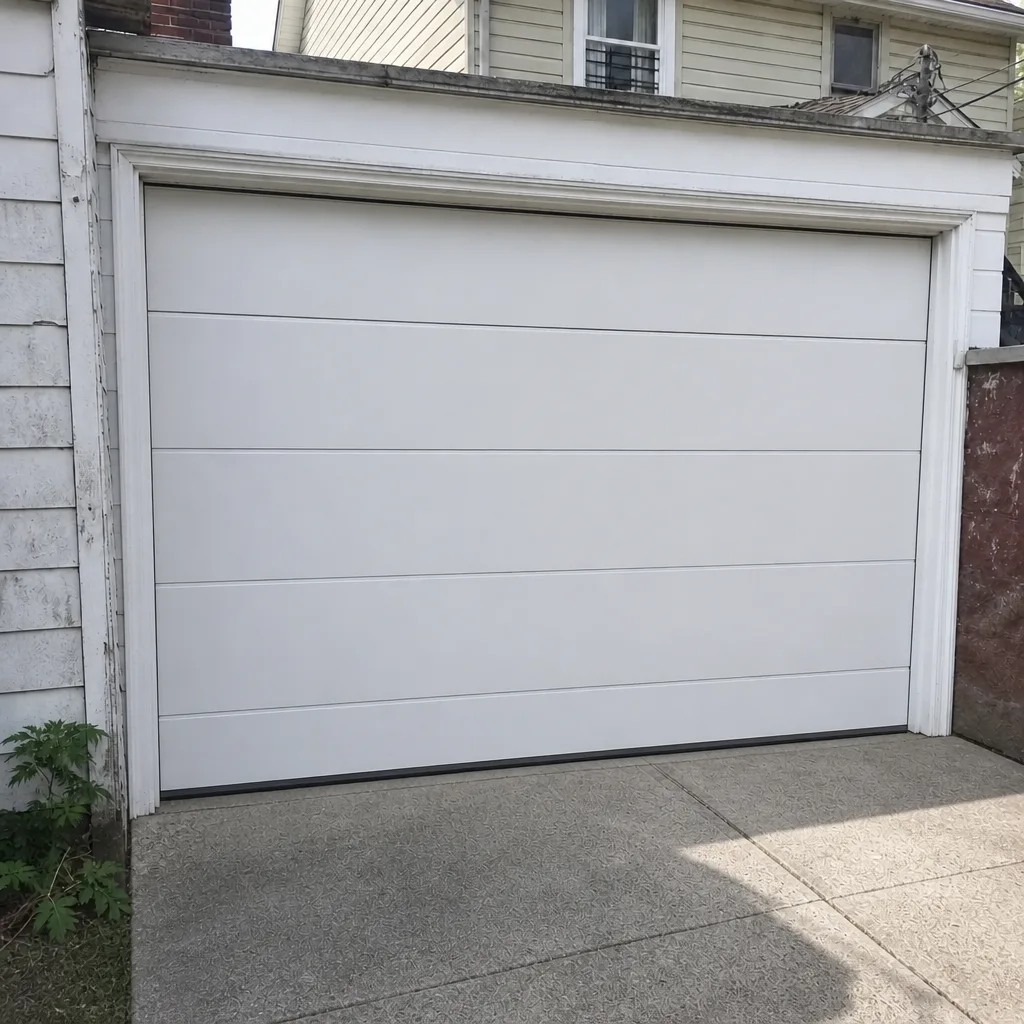 After