
Last updated November 21, 2026
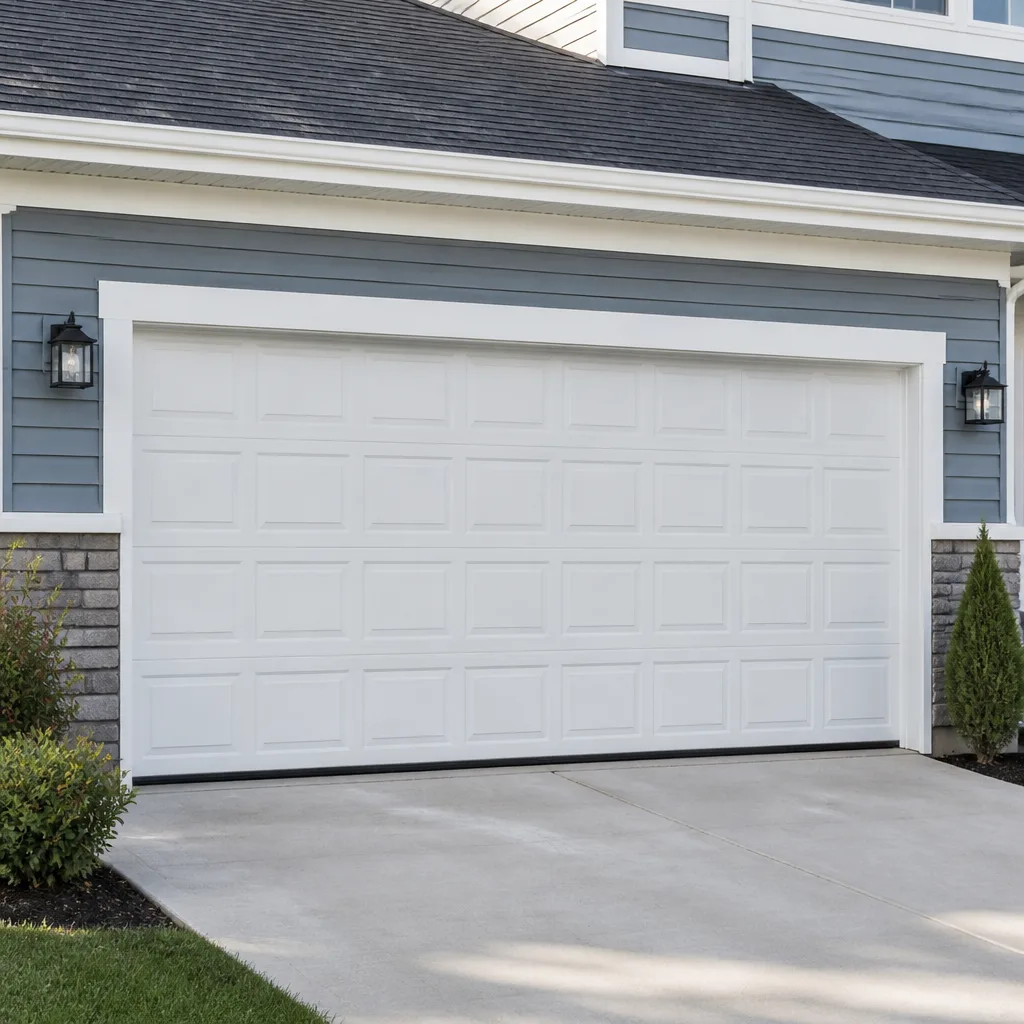 Raised-panel steel
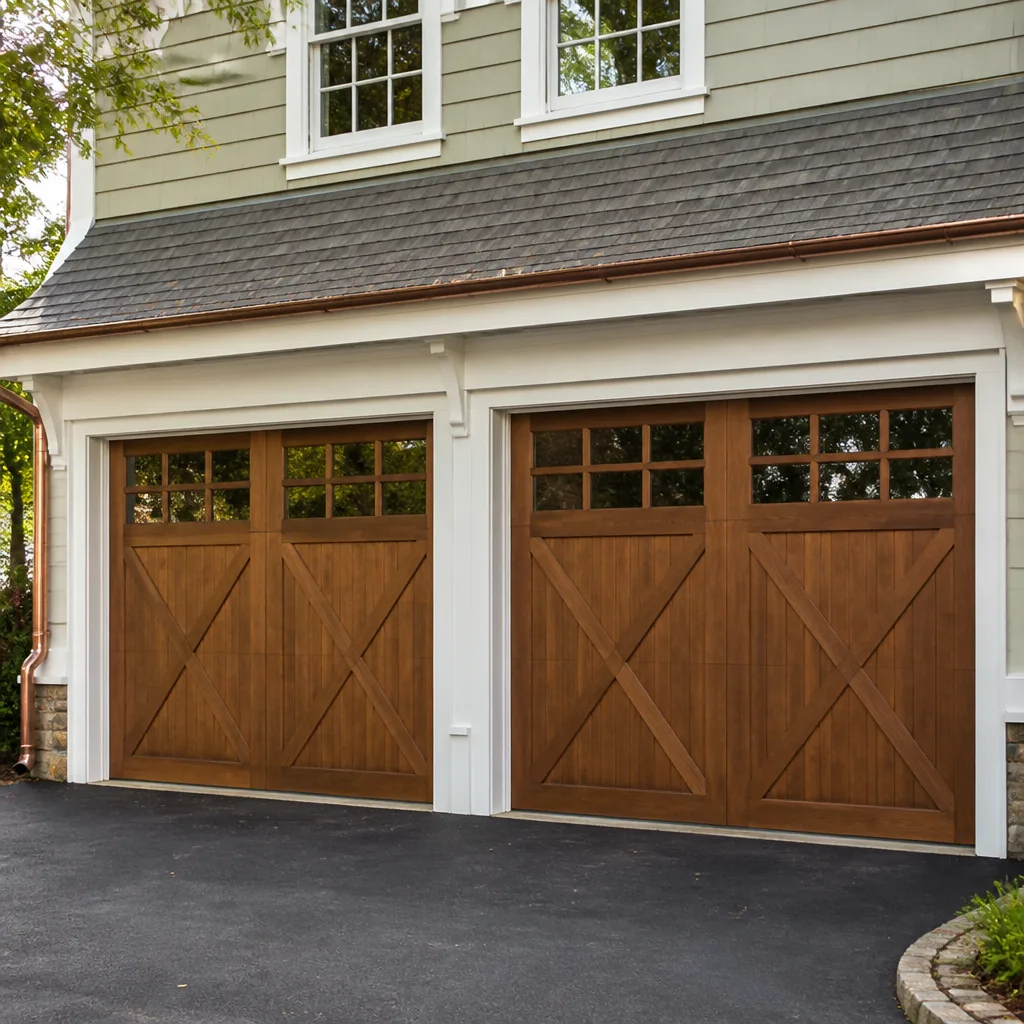 Carriage house
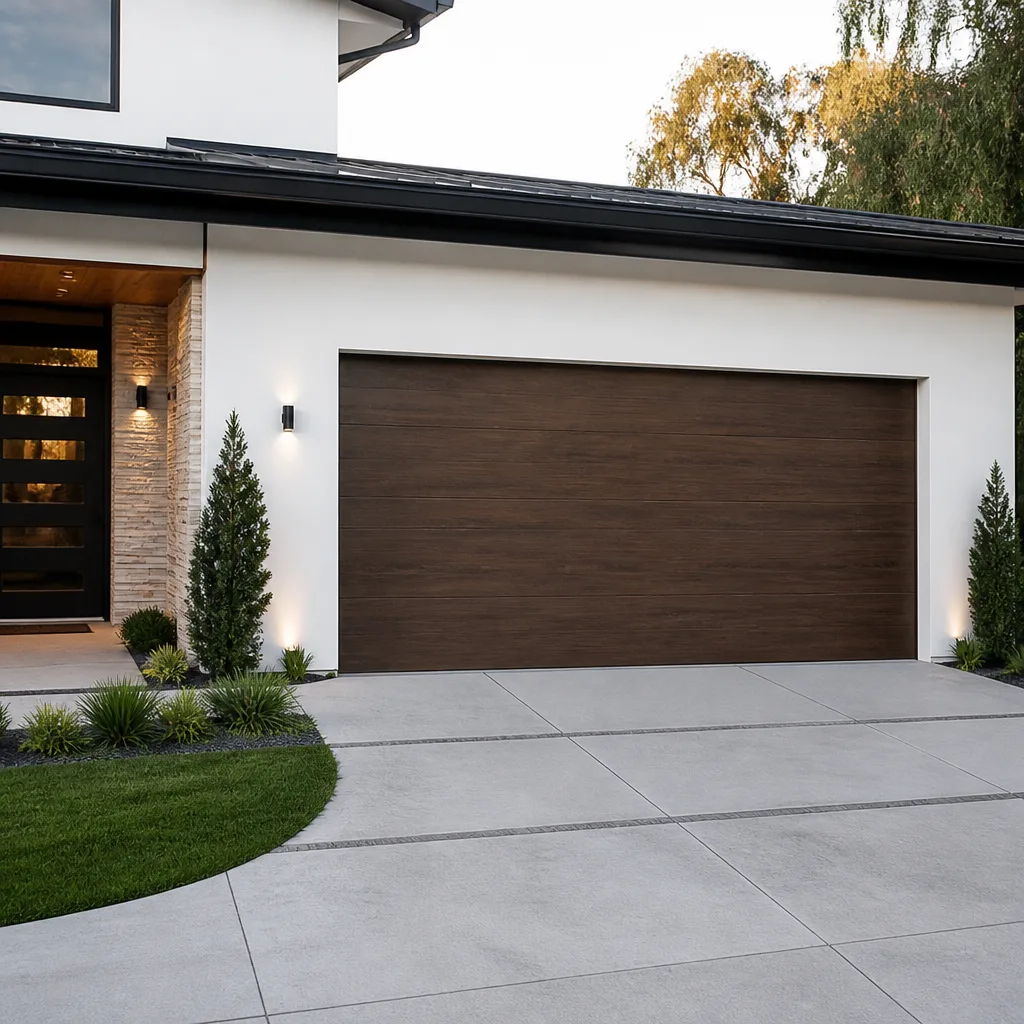 Modern flush
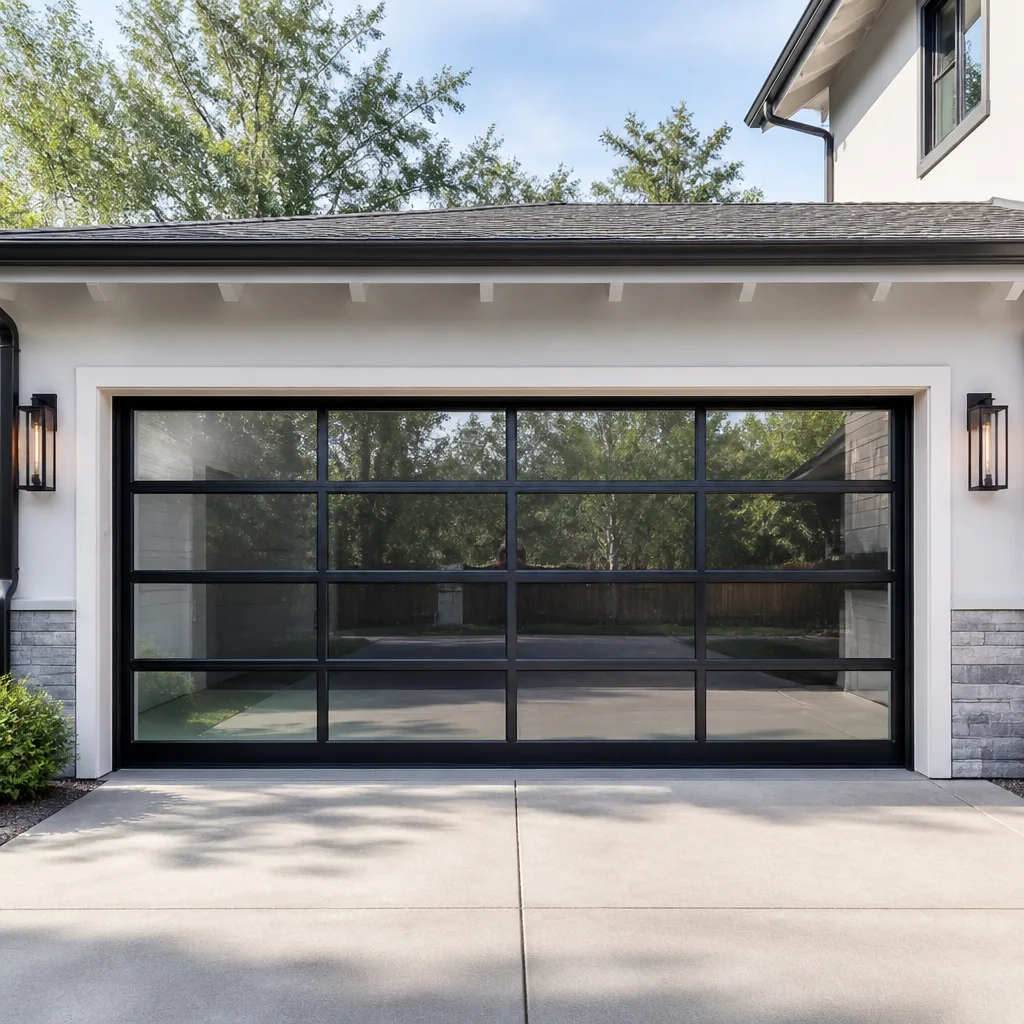 Full-view glass
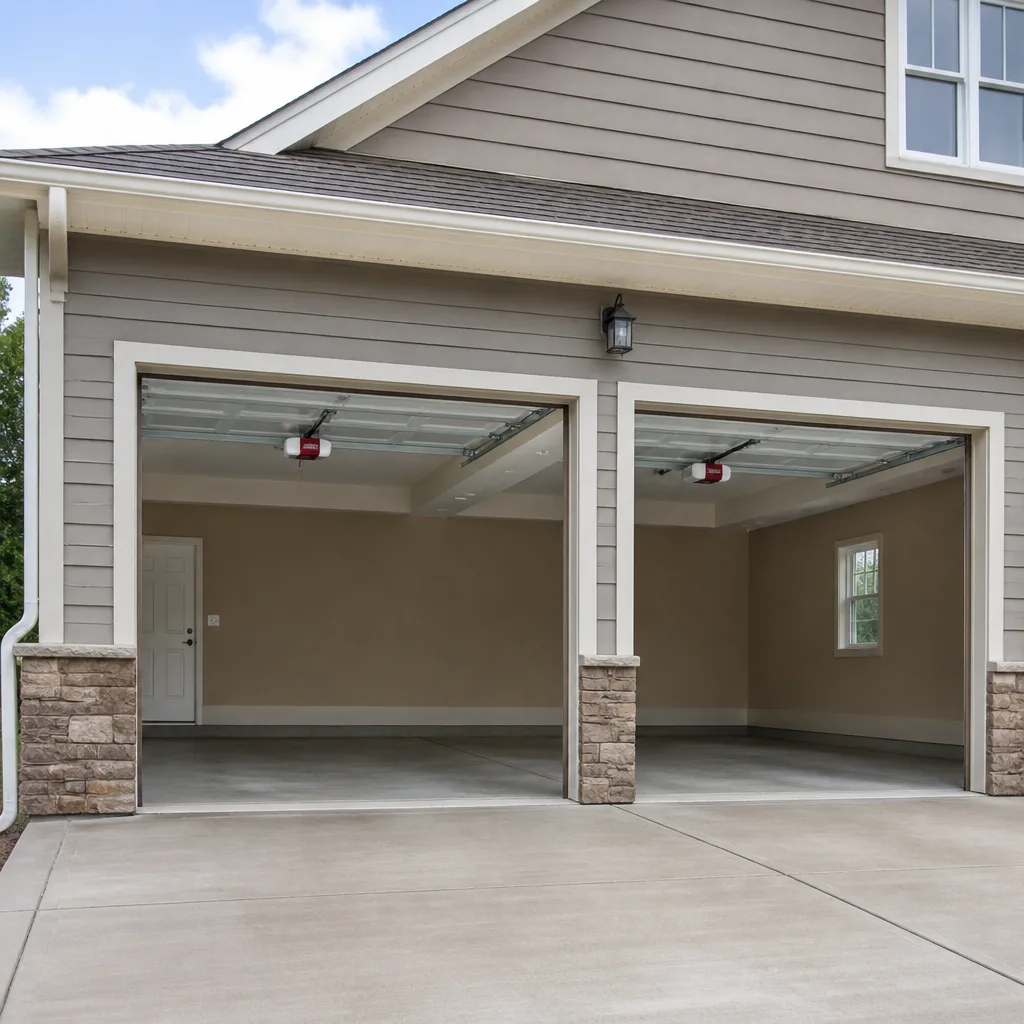 LiftMaster openers
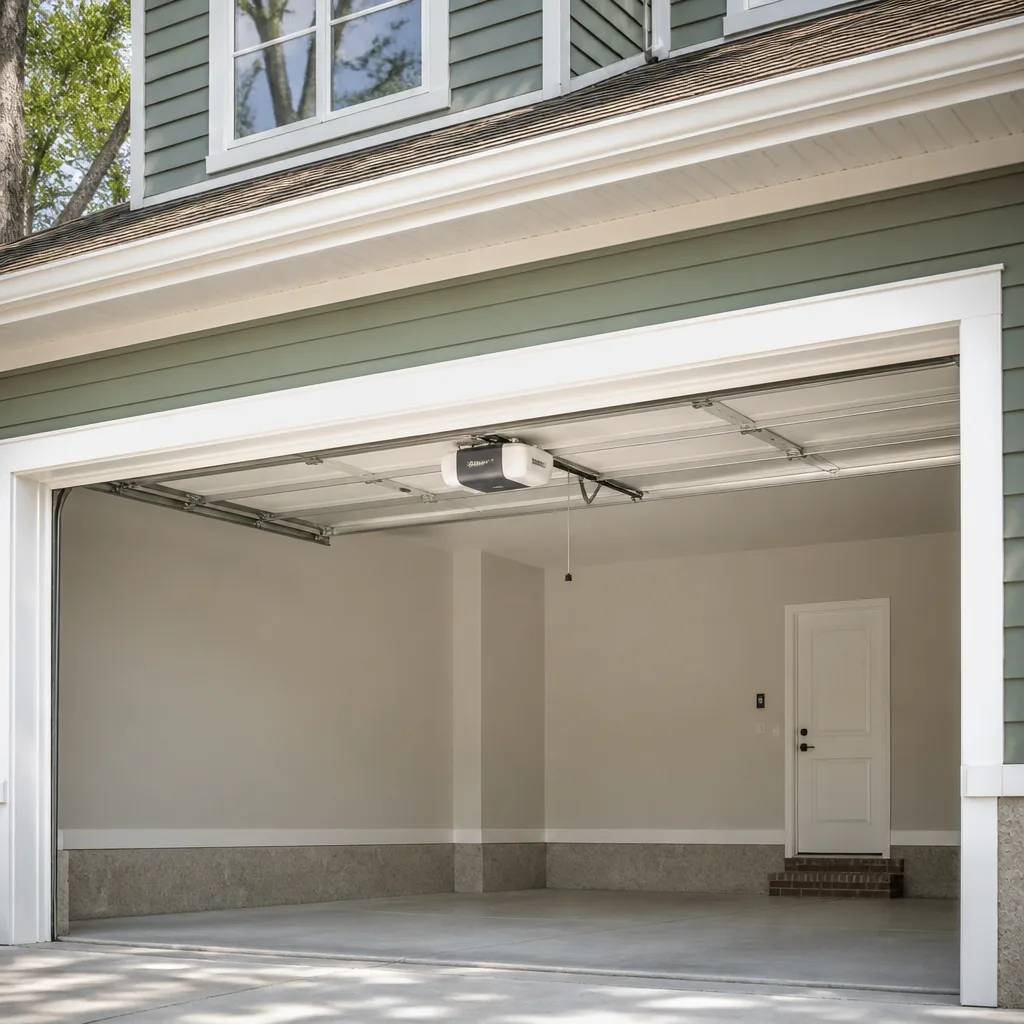 Chamberlain openers
Full 25-point door and opener safety check with every visit - springs, cables, rollers, tracks, and your LiftMaster or Chamberlain opener included
You get a price before we start. It does not change when the pro arrives.
Get your free estimateGarage Door Emergency Preparedness Guide for Mott Haven Homes
Most garage door advice assumes a driveway, a detached garage, and a neighbor who’ll notice if something goes wrong. None of that describes a Mott Haven block. Here, a door that fails open is a security exposure facing the street, and a door that fails closed can lock your only vehicle inside a building you can’t move it out of. The mechanical failure is the same one homeowners face anywhere. The consequences are local, and they’re steeper. What follows is a preparedness guide, not a repair manual: how to release a door by opener type, how to secure an open door overnight, what to tell a dispatcher so the right technician arrives, how winter failures differ, and the five items worth keeping in the garage. Read it before you need it.
Quick Answer
If a garage door fails in Mott Haven, your first move is the manual release, not the phone. Identify your opener type (chain drive, belt drive, or jackshaft), pull the release cord or turn the release handle only when the door is fully closed or fully open, and never force a door with a broken spring or a slack cable. Then call a technician with the door’s symptom, not just the brand, so the call is triaged to the right repair. Preparedness is the difference between a ten-minute recovery and a morning lost.
Styles & brands we work with
- Raised-panel steel
- Carriage house
- Modern flush
- Full-view glass
- LiftMaster openers
- Chamberlain openers
Table of Contents
- Why a Garage Door Failure Is a Security Problem in Mott Haven
- How to Operate the Manual Release on Chain, Belt, and Jackshaft Openers
- How to Secure a Door Stuck Open Overnight
- What to Tell a Dispatcher So the Right Technician Arrives
- Winter Failures: Frozen Seal, Frozen Track, or Spring Contraction
- The Five-Item Emergency Kit for a Mott Haven Garage
- Parking, Access, and the Logistics of a Stuck Door
- Brand Matters: Why Opener and Door Brand Changes the Diagnosis
Why a Garage Door Failure Is a Security Problem in Mott Haven
A garage door stuck open in a dense urban block is not a mild inconvenience. It’s an open invitation. Mott Haven’s housing stock includes a lot of ground-floor garages tucked under residential floors, many opening directly onto the sidewalk or a shared alley. When that opening stays up, whatever is inside – a car, tools, bikes, stored goods – is visible and reachable from the street. The door is the lock.
The reverse failure carries its own logistical weight. A door stuck closed traps the vehicle inside. In a neighborhood where street parking is contested and many residents depend on a single car for work, school runs, or deliveries, an immovable door in the morning can cost the day. That’s the reason this guide treats preparedness as a logistics problem first and a mechanical one second.
The two failure modes call for different first responses:
- Door stuck open: secure the opening before you troubleshoot. Physical bracing, not a phone call, is the priority.
- Door stuck closed: release the door from the opener and lift it manually only if the spring system is intact. If the door feels impossibly heavy, stop – that’s a spring failure, and lifting it by hand is dangerous.
- Door stuck partway: leave it where it is and secure it. A door balanced mid-travel with a compromised spring or cable can drop.
We’ve seen how quickly a Mott Haven morning unravels when the door won’t move. The homeowners who recover fastest are the ones who knew their opener type and release procedure before the failure. That’s the whole point of this guide: shifting the timeline in your favor, so a mechanical problem stays a mechanical problem instead of becoming a security or access emergency.
How to Operate the Manual Release on Chain, Belt, and Jackshaft Openers
Every automatic opener has a manual release. The release disconnects the door from the opener’s drive so you can move the door by hand. What changes between opener types is where the release lives and how it feels when you use it. Knowing yours in advance is the single most useful piece of garage door knowledge a Mott Haven homeowner can carry.
Before any release, check the door’s weight by hand at the bottom section. A door that lifts with light, even resistance has a working spring system and is safe to disconnect. A door that feels like dead weight has a broken spring. Do not disconnect it and do not try to lift it. Call a technician.
Chain Drive Openers (Common on Older Mott Haven Installations)
- Close the door fully. Release a door only in the fully closed position.
- Locate the red release cord hanging from the trolley on the rail above the door.
- Pull the cord straight down and toward the door. You’ll hear or feel the trolley disengage.
- Lift the door by hand from the bottom section, using the handle if there is one.
- To re-engage, run the opener until the trolley meets the door arm, or pull the cord again while moving the door toward the closed position.
Belt Drive Openers (Quieter Units, Often Retrofitted)
Belt drive openers use the same trolley-and-cord release as chain drives. The difference is feel: the belt-driven trolley often re-engages more smoothly and with less resistance. Follow the same five steps. On newer LiftMaster and Chamberlain units the release cord may be shorter and stiffer – pull firmly but straight, never at an angle.
Jackshaft Openers (Side-Mount, Common Where Ceiling Height Is Tight)
- Locate the release handle on the side-mounted unit, usually on the shaft beside the torsion bar.
- Turn or pull the release according to the unit’s design (most jackshaft units use a pull cord or a lever).
- The door is now disconnected. Lift by hand from the bottom.
- Re-engage by reversing the release motion with the door in the closed position.
If your opener is a Craftsman or Raynor unit and you’re not sure which style you have, look at the rail: a chain or belt running the length of the ceiling means a trolley release; a unit bolted to the wall beside the torsion bar means jackshaft. If you can’t determine it, that’s a call, not a guess. Our garage door opener repair work covers every common opener style found in Mott Haven buildings.
How to Secure a Door Stuck Open Overnight
A door stuck open overnight in Mott Haven needs to be physically blocked, not just monitored. The goal is to close the opening enough that the garage is no longer visible or reachable from the street, without forcing a compromised mechanism. Bracing works; forcing doesn’t.
What you’ll need, all inexpensive hardware-store items: two adjustable cargo bars or heavy-duty ratchet straps rated for the load, a length of 2×4 cut to the door’s width, and a padlock or cable lock for the track.
- Assess the mechanism first. If a spring is broken or a cable is slack, the door is unsupported. Do not attempt to raise or lower it further by hand. Brace it where it sits.
- Brace across the opening. Place the 2×4 horizontally across the inside face of the door at a height above the bottom section, then tension a cargo bar or ratchet strap between the door and the floor or a solid structural member. The goal is to prevent the door from dropping or rising further.
- Lock the track. Thread a cable lock or padlock through the vertical track and around a roller stem, or clamp a pair of locking pliers onto the track just below a roller. This blocks travel if the door tries to move.
- Reduce visibility from the street. If the door is partly up, a tarp or heavy moving blanket zip-tied across the opening cuts the sightline. It won’t stop a determined intruder, but it removes the invitation.
- Do not prop the door with furniture or loose objects. A door with a compromised spring can move with enough force to shift or crush whatever is beneath it.
This is a hold-until-morning solution, not a repair. The following morning, call for service and describe exactly what you braced and where. If the door is fully open and the opening is a direct security concern, our Garage Door Repair Mott Haven team can talk you through the triage on the phone while you wait. We answer 24/7. Fast dispatch from 7am to 7pm, Sunday through Friday.
What to Tell a Dispatcher So the Right Technician Arrives
The single biggest delay in an emergency garage door call is a vague description. “My door is broken” could mean a spring, an opener, a cable, a roller, or a track. Each takes different parts and different tools. A dispatcher who knows the symptom can route the call correctly the first time. Here’s what to have ready before you dial.
The Four Symptom Categories
- Spring failure: the door is extremely heavy, may have dropped suddenly, and you may have heard a loud bang from inside the garage. The door may be stuck closed or hanging unevenly. This is a safety-critical call and takes priority.
- Opener failure: the door is normal weight by hand but the motor doesn’t run, runs and doesn’t move the door, or reverses immediately. The door is mechanically sound; the opener is the problem.
- Cable failure: the door hangs crooked, one side is slack, or you can see a loose cable at the side of the door. Do not operate the door. The door can drop.
- Track or roller failure: the door binds, scrapes, or jumps the track. Sometimes repairable on-site; sometimes the door needs to come down.
What to Say on the Call
- “My garage door is stuck [open / closed / partway].”
- “The door is [very heavy / normal weight] when I try to lift it by hand.”
- “The opener is a [chain drive / belt drive / jackshaft], brand [LiftMaster / Chamberlain / Genie / Craftsman / Raynor / other].”
- “The door is [single / double] car width, [sectional / one-piece] style.”
- “The address is in Mott Haven, and access is [from the street / through an alley / through a shared driveway].”
That last point matters more in Mott Haven than most neighborhoods. Access logistics – a tight alley, a shared driveway, a garage under a stoop – affect how a technician approaches the job. Say it upfront. If you’re not sure whether the problem is the garage door repair side or the opener, say that too. The dispatcher will ask the right follow-ups. Call (877) 931-8297. We answer 24/7. Fast dispatch from 7am to 7pm, Sunday through Friday.
Winter Failures: Frozen Seal, Frozen Track, or Spring Contraction
New York winters create three specific garage door failure modes that don’t occur in warm weather, and they look similar from inside the house. Identifying which one you have before you force anything saves the door and the mechanism. Each has a different first response.
Frozen Bottom Seal
How to tell: the door lifts an inch or two with normal effort but stops hard. The bottom rubber seal is bonded to the concrete or to ice on the apron. The opener may strain and reverse.
First response: don’t force it. Forcing a frozen seal tears the rubber or strips the opener’s drive gear. Break the bond by pouring warm (not boiling) water along the seal line, or use a heat gun on low from a safe distance, working along the full width. Once free, clear the ice from the apron and dry the seal.
Frozen Track
How to tell: the door moves unevenly, one side lags, and you can see ice buildup in the vertical or horizontal track. The rollers may be frozen in place.
First response: remove the ice mechanically with a plastic scraper, not a metal tool that can gouge the track. Do not run the opener until the track is clear. Running the door against a frozen track bends rollers and can pop a cable.
Spring Contraction
How to tell: the door is heavy by hand, the opener strains and stops, and the failure correlates with a sharp cold snap. Steel torsion springs lose some of their lifting power in extreme cold. This is a genuine mechanical change, not a freeze.
First response: this is not a problem you can fix from outside. Cold-affected springs can also be on the edge of failure. Do not try to help the door up by hand. Call for service and describe the door as heavy-by-hand. The garage door installation route is only appropriate if the spring system is beyond economic repair, which a technician will assess on-site.
If you can’t distinguish the three, the safe bet is: don’t force anything, secure the door, and call. Winter spring contraction is the most commonly misdiagnosed of the three, because the door feels normal to the eye.
The Five-Item Emergency Kit for a Mott Haven Garage
A small, cheap kit handles the most common failure modes without a service call, and keeps a bad situation from getting worse until a technician arrives. Keep it in a labeled bin near the garage door, checked twice a year.
- Flashlight with fresh batteries. Garage door failures happen in dark, cramped spaces. A phone light isn’t enough when you’re under the door or behind the opener. Keep the batteries separate from the flashlight so they don’t drain in storage.
- Two adjustable cargo bars or heavy-duty ratchet straps. These are your overnight bracing tools for a door stuck open. Rated for the load, not decorative.
- A padlock or cable lock. For locking a track when the door is jammed and can’t be closed. A rolling door that can’t be closed is a door that needs to be physically locked.
- A length of 2×4 cut to your door’s width. A rigid brace across the inside face of the door. Measure your door once and cut to fit; this is the most useful item in the kit for securing an open door overnight.
- A written card with your opener brand, model, and the release procedure. In an emergency you don’t want to be searching your phone for how to release a Chamberlain belt drive at 7am. Write it down, tape it to the wall beside the opener, and note the release cord location for your specific unit.
Optional sixth item, worth adding if your garage opens to the street: a tarp and zip ties to cover the opening and cut the sightline. It costs almost nothing and buys real security while the door is unsecured.
Parking, Access, and the Logistics of a Stuck Door
Most garage door guides ignore parking. In Mott Haven, it’s half the problem. When a door fails closed in a dense block, the vehicle inside may be the only car the household has, and the nearest legal street parking may be several blocks away. When a door fails open, the garage itself becomes a security liability and the vehicle inside is exposed.
Two practical moves worth planning in advance:
- Know your alternative parking. If you have a regular spot in a nearby commercial garage or a neighbor’s driveway, note the details before you need them. A door failure is the wrong time to start researching options.
- Know your access route. A technician needs to reach the door, not just the address. If your garage is behind a shared driveway, accessible only through a side alley, or under a stoop, write a one-line access note on the same card as your opener brand. This one detail is the most common reason a Mott Haven emergency call takes longer than it should.
If the vehicle is trapped and the morning is time-sensitive, say so on the call. That’s a different triage than a door that’s failed but isn’t blocking anyone. A dispatcher with that information can prioritize correctly. For scheduled work on a door that’s functioning but tired, our garage door repair service measures and quotes in advance, so there’s no surprise on the invoice.
Brand Matters: Why Opener and Door Brand Changes the Diagnosis
A failing LiftMaster and a failing Genie can present the same symptom and need different parts, different tools, and sometimes a different technician. That’s why brand is a triage question, not a sales question. We service eight major brands across openers and doors: LiftMaster, Chamberlain, Genie, Clopay, Amarr, Wayne Dalton, Craftsman, and Raynor. Here’s what that means in practice for preparedness.
- LiftMaster and Chamberlain (myQ ecosystem): modern Wi-Fi units with app-linked diagnostics. Many of these log error codes and can tell you whether the problem is obstruction, safety-sensor, or drive-side before a technician arrives. If your opener has the myQ app, check it before you call.
- Craftsman and Genie: common on older Mott Haven installations. Parts availability and release procedures differ from the newer units, and some Craftsman models have long-discontinued components that need compatible replacements.
- Raynor: less common but distinctive. Raynor openers and doors have specific drive and balancing designs that need the right parts to avoid repeated failures.
- Clopay, Amarr, Wayne Dalton: door brands. If a repair isn’t economical, matching the replacement door to the existing opening and hardware matters for fit, appearance, and warranty.
Knowing your brand in advance cuts the diagnostic time and gets the right parts on the first visit. Write it on the same emergency card as your release procedure. If you’re not sure, the opener’s data plate or the door’s bottom section usually carries it. When your door won’t move, we will, and we work on the brand you already have.
Common Mistakes to Avoid
- Forcing a heavy door by hand. A door that feels like dead weight has a broken spring. Lifting it by hand can let a door drop or a spring let go. Stop and call.
- Pulling the release on a door with a broken spring. Disconnecting a door from the opener when the spring is dead removes the only thing holding it. Release only a door that lifts with normal resistance, and only in the fully closed position.
- Bracing an open door with furniture or loose objects. In a Mott Haven garage opening to the street, a chair against the door is not security. Use rated bars, straps, or clamps on the track, and lock the track.
- Running the opener against a frozen track or seal. In a New York winter, forcing a frozen door strips gears and bends rollers. Clear the ice first, then operate.
- Diagnosing by sound over the phone. “It made a bang” could be a spring, a cable, or a door off its track. Describe the symptom in mechanical terms: heavy by hand, crooked, slack cable, motor runs but door doesn’t move.
- Leaving a stuck-open door visible overnight. In a dense block, an open garage is an open invitation. Secure, cover, and lock before you do anything else.
- Hiring the first available generalist for a spring job. Spring work is a safety-critical specialty, not a generalist task. Ask whether the technician services spring systems specifically before you book.
See the difference
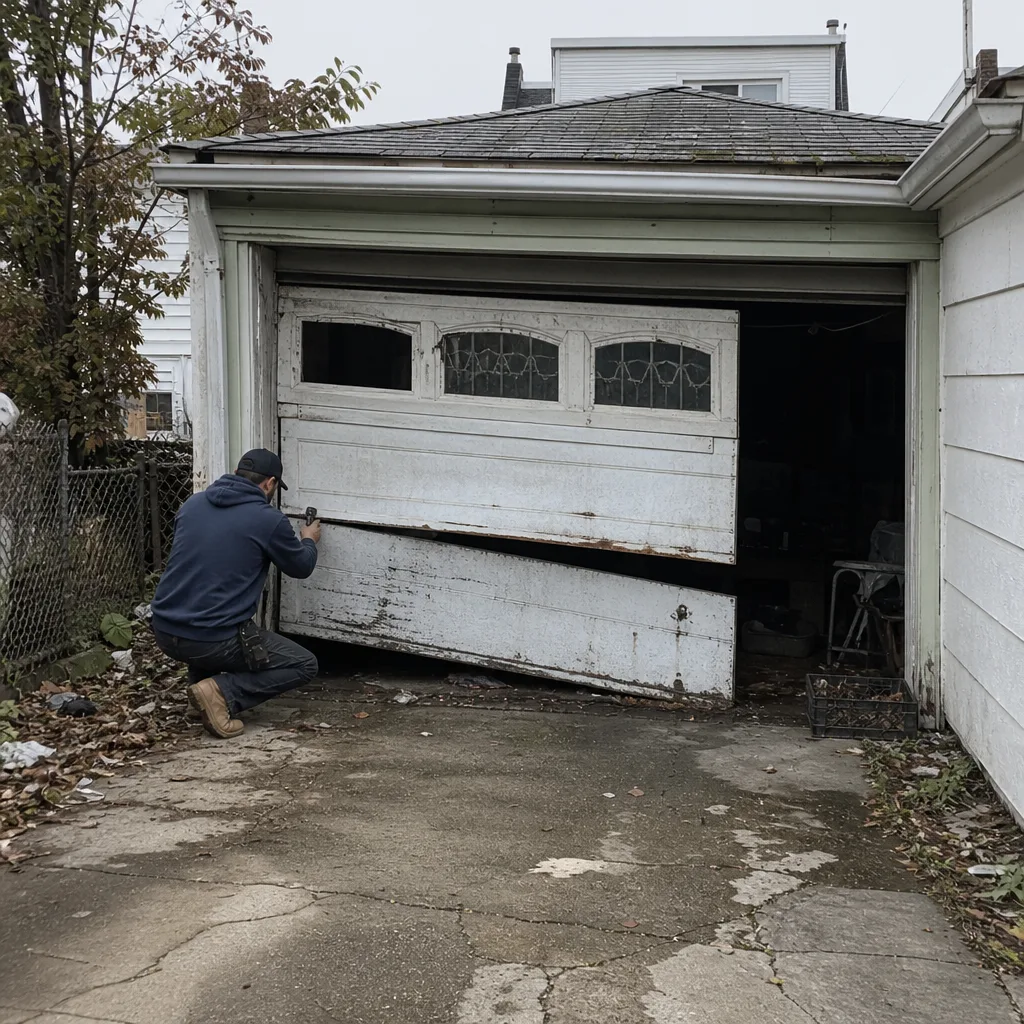 Before
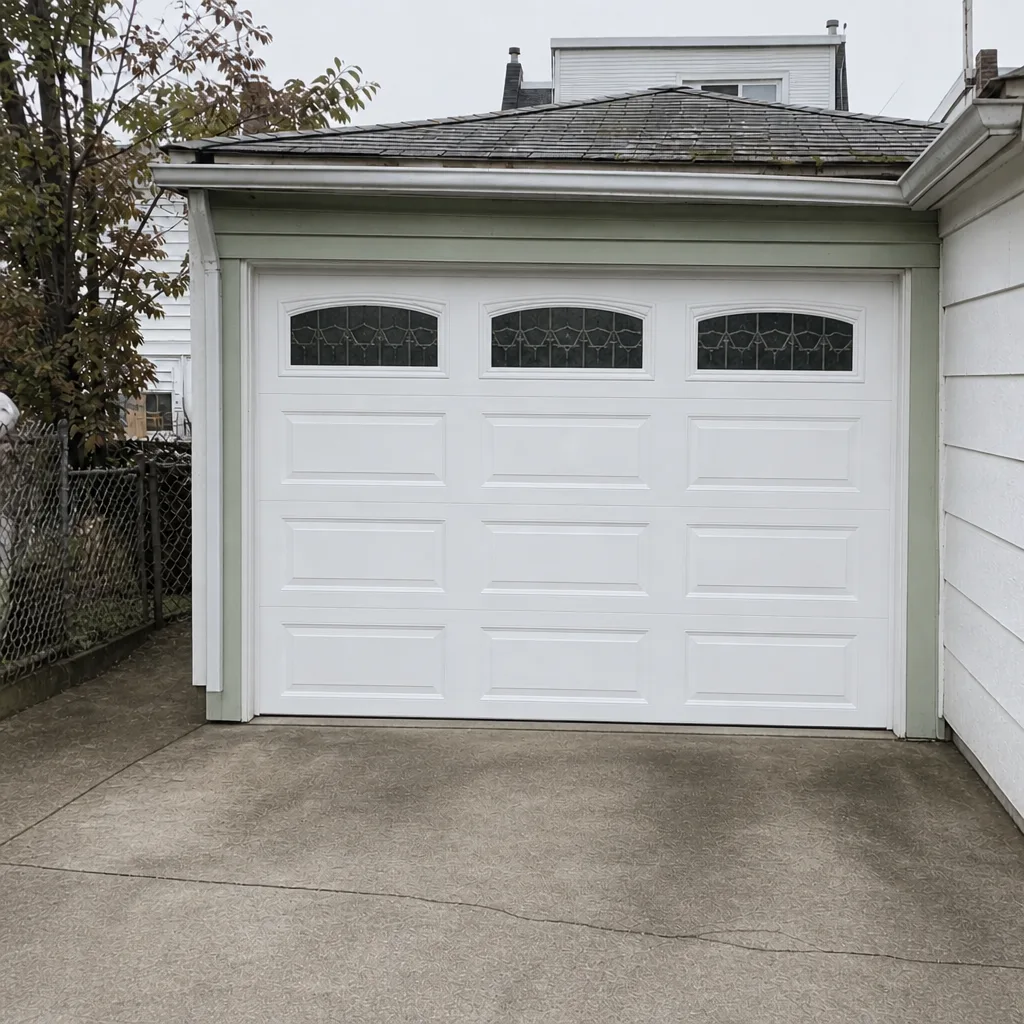 After
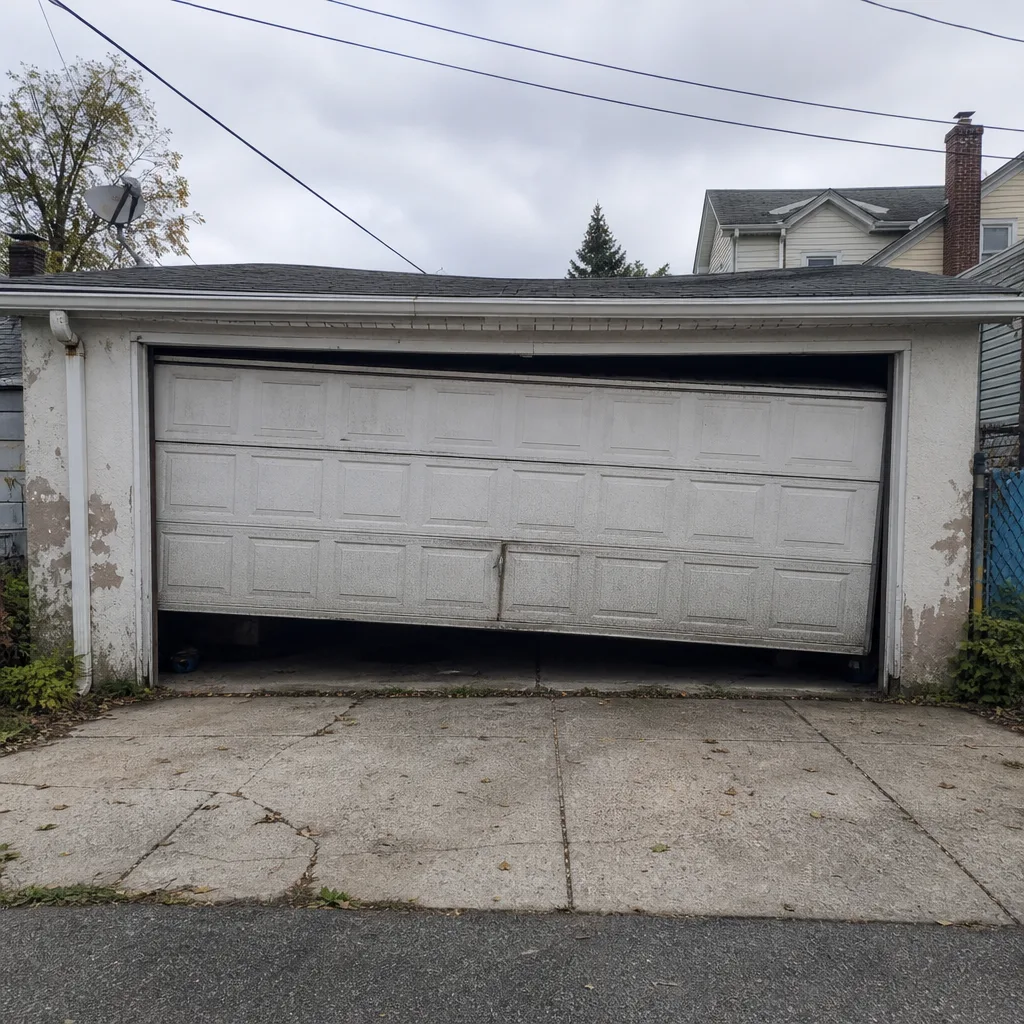 Before
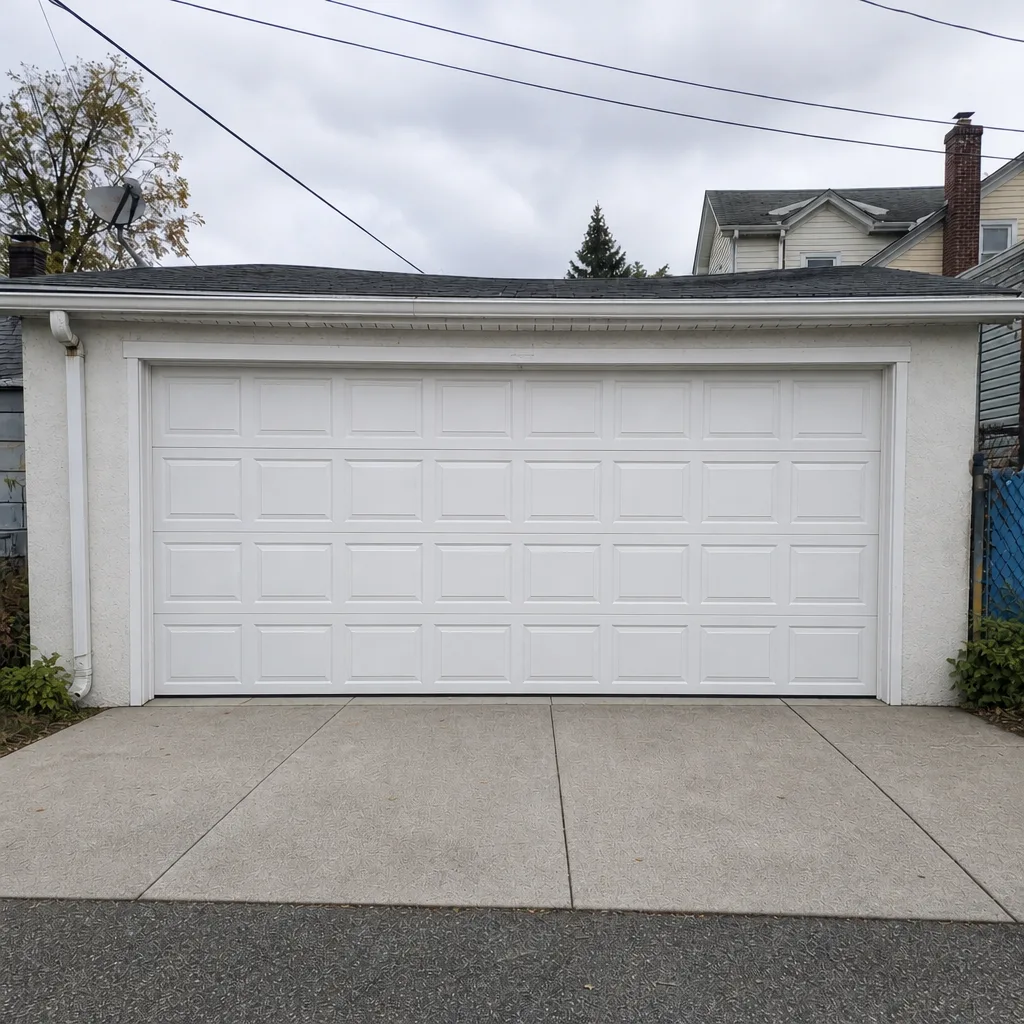 After
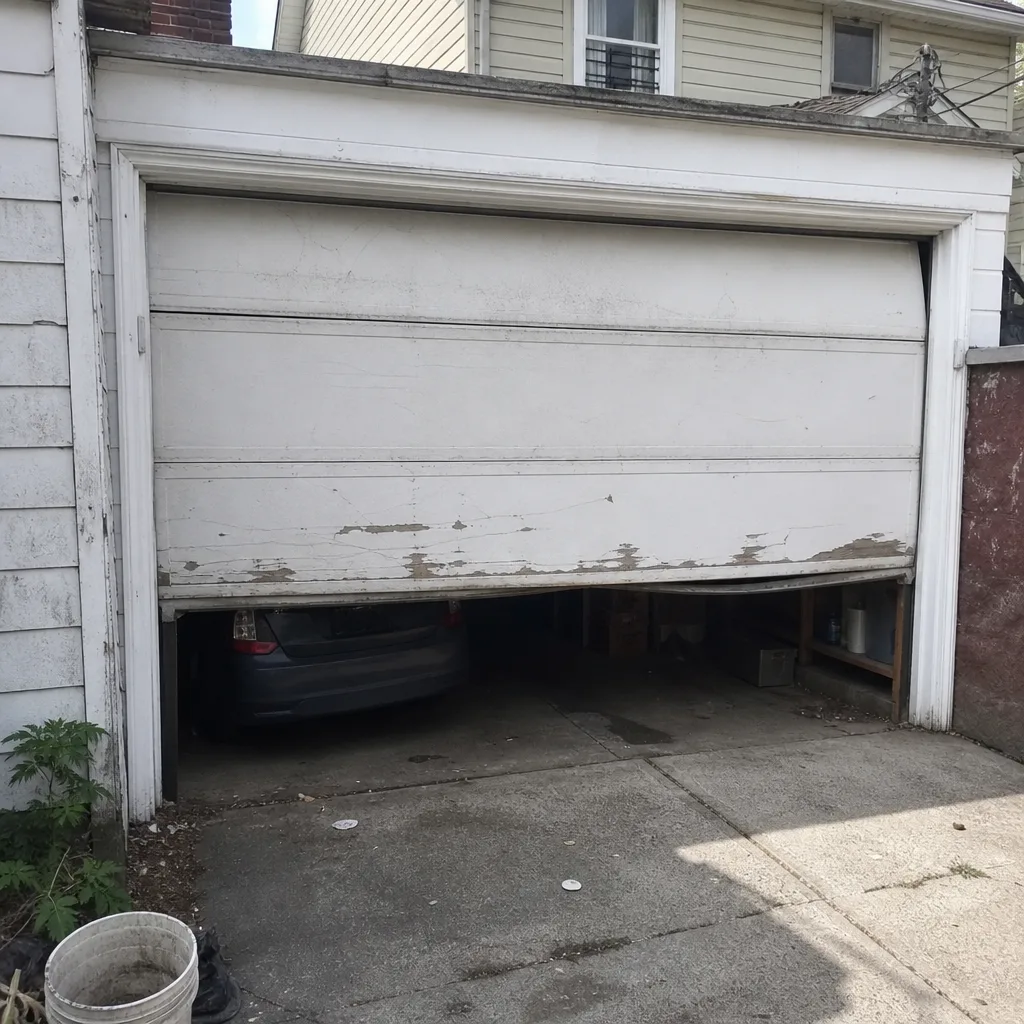 Before
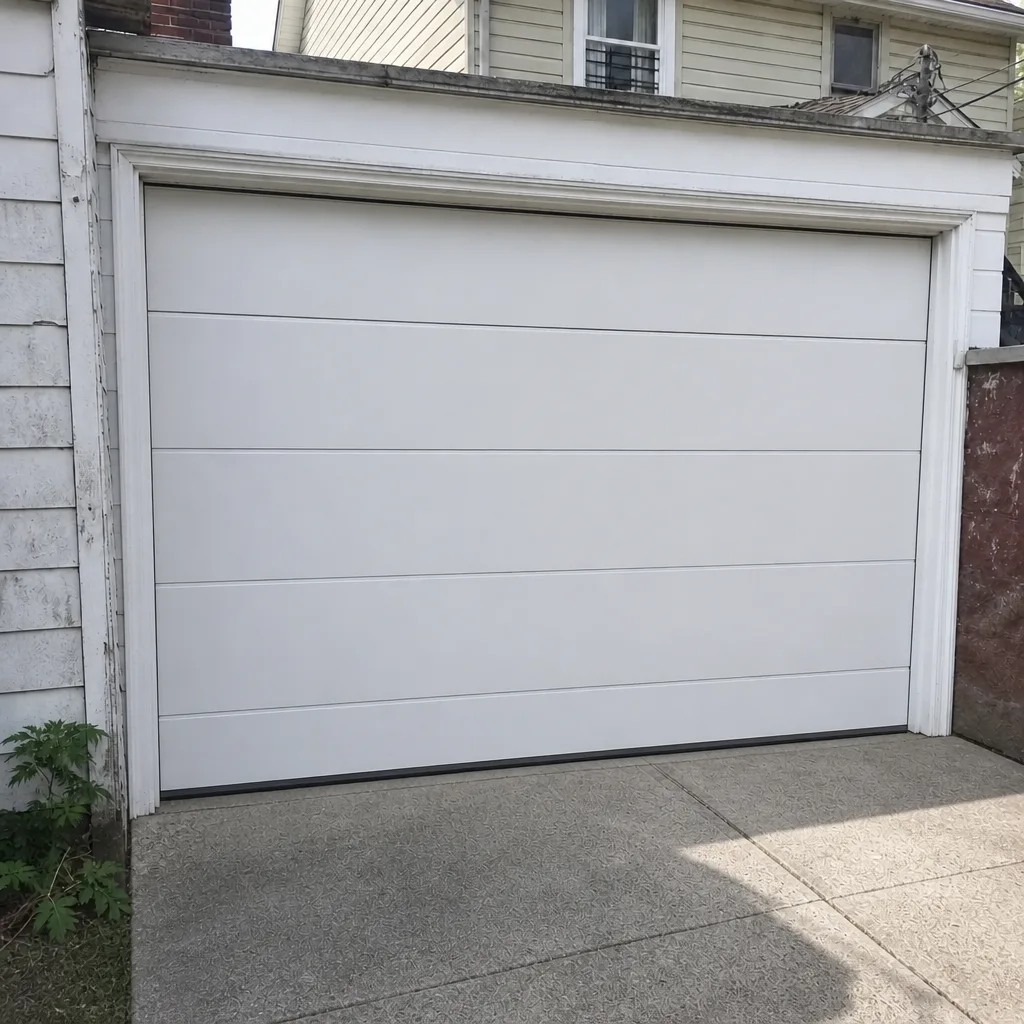 After
When to Call a Professional
Some garage door problems are safe to handle with your kit and your release procedure. Others are not. Call for professional help when:
- The door is extremely heavy by hand – that’s a spring issue and a safety issue, and it needs a trained technician.
- A cable is slack, broken, or visibly off its drum. Do not operate the door.
- The door is off its track, hanging crooked, or stuck partway with the spring system compromised.
- The opener runs but the door doesn’t move, or reverses immediately and won’t stay closed.
- The door is stuck open facing the street and you can’t secure it with your kit.
Garage Door Repair Mott Haven offers free estimates in Mott Haven – call (877) 931-8297. We answer 24/7. Fast dispatch from 7am to 7pm, Sunday through Friday.
Frequently Asked Questions
There’s no single price, because the cost depends on the failure – a broken spring, a snapped cable, an opener fault, or a track issue each has a different repair. We quote every job per job by written estimate before any work starts, and the estimate is free. That means you’ll know the price before anything is touched. Call (877) 931-8297 for an exact quote – estimates are free.
Secure the opening before you troubleshoot. A door stuck open on a dense block is a security exposure facing the street, so brace it with rated bars or straps, lock the track with a clamp or cable lock, and cover the opening with a tarp if you can. Then call for service and describe what you’ve braced and where. We answer 24/7. Fast dispatch from 7am to 7pm, Sunday through Friday.
Test the door by hand with the opener disconnected. A door that lifts with light, even resistance and won’t move under the opener has an opener problem. A door that feels like dead weight by hand has a spring problem. The second is safety-critical: do not try to lift or force it. Call (877) 931-8297 and describe the door as heavy by hand.
Same-day service is part of what we do for repair and emergency calls, and we dispatch Sunday through Friday, 7am to 7pm. Call (877) 931-8297 with the symptom, the door type, and your access details, and we’ll triage the call to the right technician. If the call comes outside dispatch hours, it’s booked into the next opening. We answer 24/7.
No. The written estimate sets the price, and we quote and agree the price before any work starts. If the technician finds a second issue while on-site – a cable that’s also failing, a roller that’s worn – it’s quoted separately and agreed before it’s done, never added silently to the invoice. Call (877) 931-8297 for a free estimate.
The local professionals we connect you with are licensed and insured as their state requires, and they’re experienced in spring, opener, cable, track, and full door work. Our technicians have up to 13 years of experience, and they service LiftMaster, Chamberlain, Genie, Clopay, Amarr, Wayne Dalton, Craftsman, and Raynor equipment. Call (877) 931-8297 to book.
The Bottom Line
A Mott Haven garage door emergency is a security and logistics problem before it’s a mechanical one. The prepared homeowner knows three things in advance: their opener type and release procedure, their access details and alternative parking, and the symptom language for a dispatcher. Add the five-item kit to the garage, and most failures go from a lost morning to a ten-minute recovery. Spring and cable failures are safety-critical and go to a trained technician, not a generalist. The rest, you can plan for. Call (877) 931-8297 for a free estimate. We answer 24/7. Fast dispatch from 7am to 7pm, Sunday through Friday.
Written by the team at Garage Door Repair Mott Haven.