
Last updated November 21, 2026
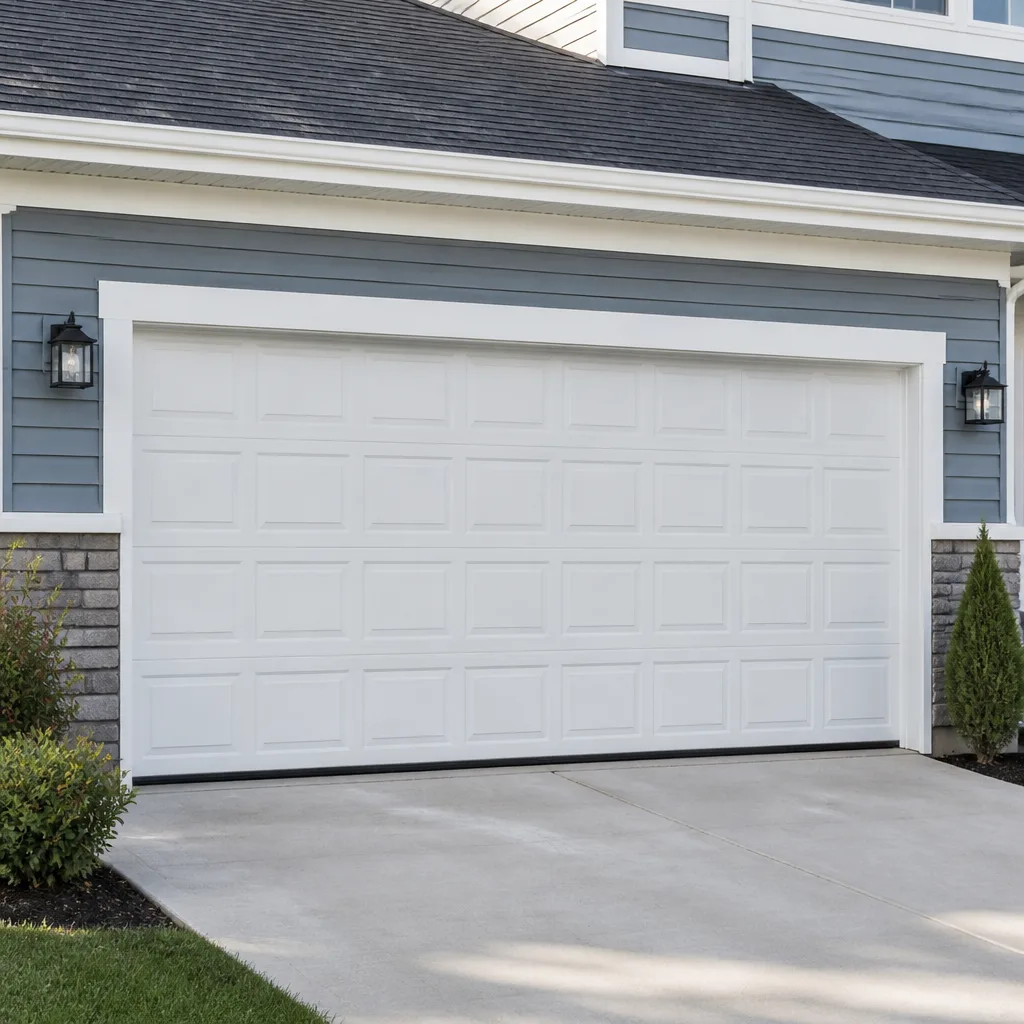 Raised-panel steel
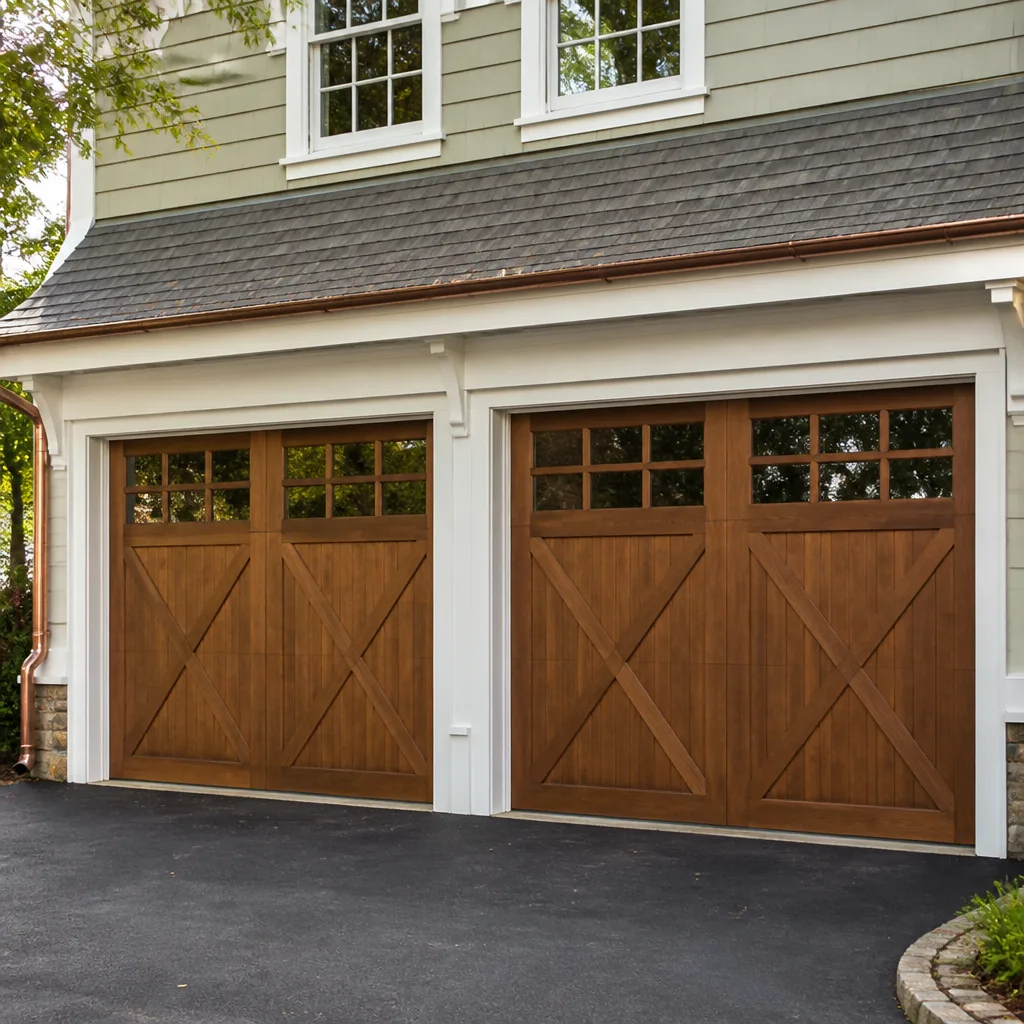 Carriage house
 Modern flush
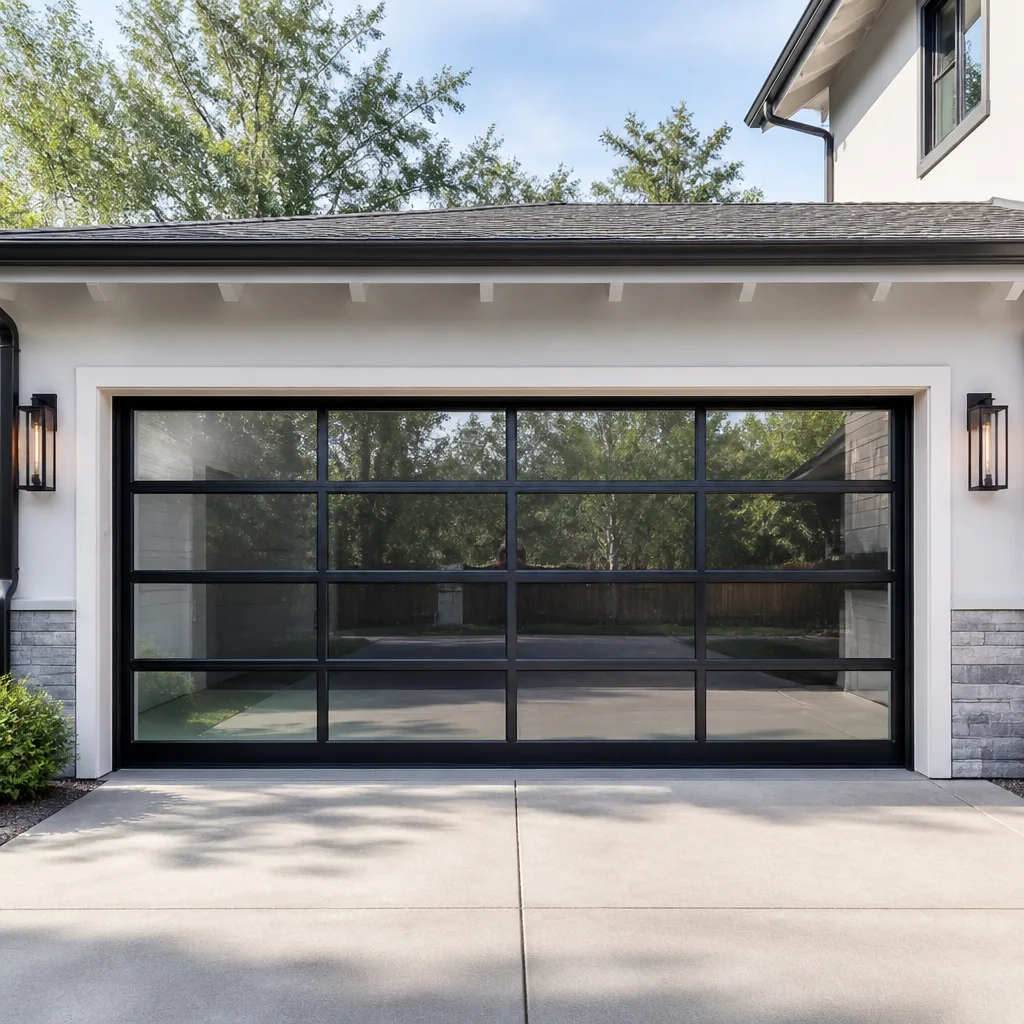 Full-view glass
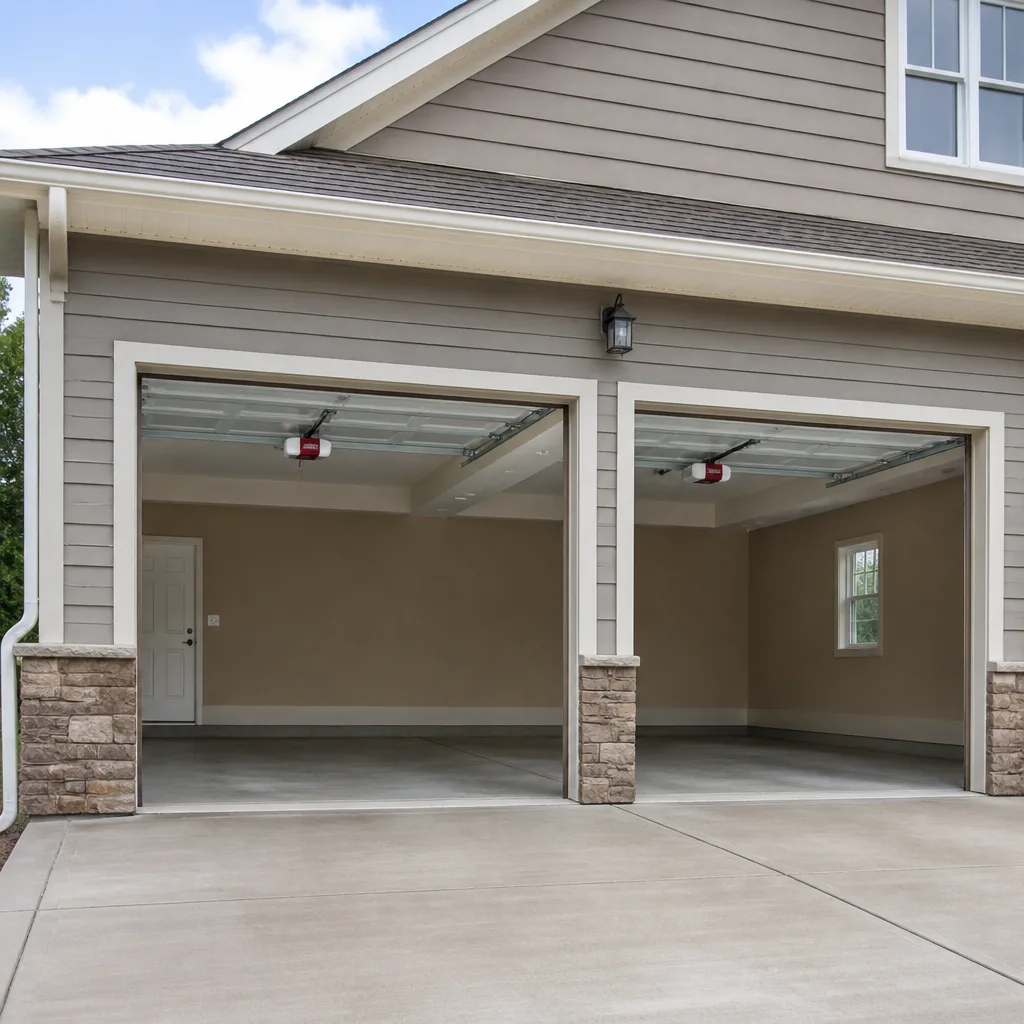 LiftMaster openers
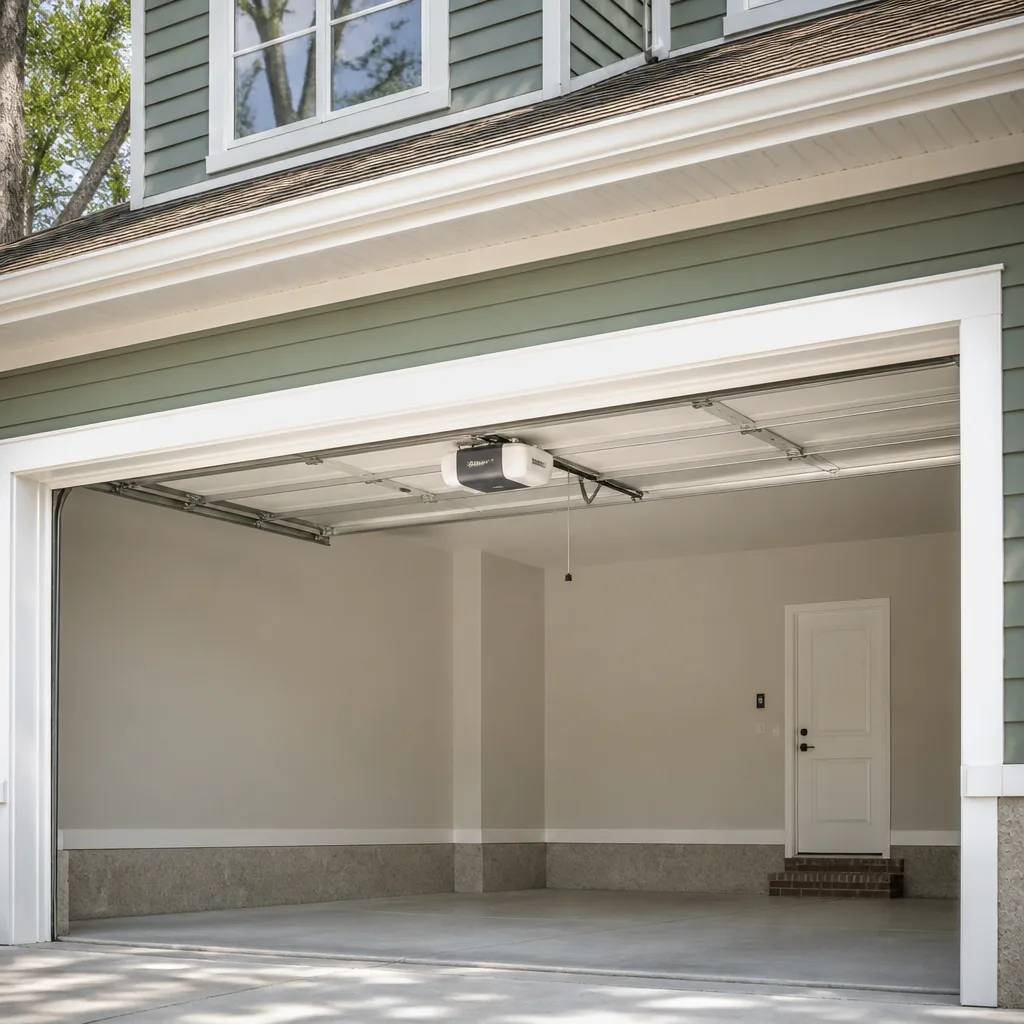 Chamberlain openers
Full 25-point door and opener safety check with every visit - springs, cables, rollers, tracks, and your LiftMaster or Chamberlain opener included
You get a price before we start. It does not change when the pro arrives.
Get your free estimateGarage Door Repair Maintenance Checklist for Mott Haven Homeowners
The number-one reason garage doors in this neighborhood fail early isn’t age. It’s grit. Compacted particulate from heavy diesel traffic, brake dust, and winter road treatments works its way into roller stems and hinge pivots, and it grinds metal against metal every time the door moves. Most homeowners in Mott Haven are following a lubrication schedule built for a suburban driveway with a couple of cars on it, not a door that opens onto a busy Bronx block where trucks rumble past at all hours. That mismatch is why doors here wear out faster than the manufacturer’s manual predicts. Below is a maintenance checklist written for the conditions we actually see in Mott Haven, with pass/fail criteria you can apply by eye and by hand, no tools required. You’ll learn what to check monthly, quarterly, and annually, which lubricants help and which quietly make things worse, and when a door has crossed the line from “maintain it” to “call someone.”
Quick Answer
A Mott Haven garage door needs a monthly visual and hand check of rollers, hinges, and seals, quarterly cleaning and lubrication with a silicone or lithium-based lubricant rather than WD-40, and an annual balance and spring inspection. Urban particulate and road salt push the wear rate higher here than in suburban settings, so the roller stems and bottom seal need attention more often than a standard manual suggests.
Styles & brands we work with
- Raised-panel steel
- Carriage house
- Modern flush
- Full-view glass
- LiftMaster openers
- Chamberlain openers
Table of Contents
- Monthly Tasks: The Five-Minute Walk-Around
- Roller Stems and Urban Particulate: What Most Checklists Miss
- Road Salt Migration and the Bottom Seal Timeline
- Vibration Loosening After Heavy Truck Traffic
- Which Lubricants to Use and Which to Avoid
- Quarterly Tasks: Deep Clean and Hardware Check
- Annual Tasks: Balance, Springs, and Safety Reverse Test
- Opener Care for LiftMaster and Craftsman Systems
Monthly Tasks: The Five-Minute Walk-Around
A monthly check takes about five minutes and catches most problems while they’re still cheap to fix. Do it with the door closed first, then run it once and watch. You don’t need tools for this pass; your eyes and hands are enough.
Here’s the sequence we recommend:
- Look at the bottom seal. Run a hand along the rubber flap where the door meets the floor. It should be pliable and sit flush. A stiff, cracked, or torn seal is a fail.
- Check the rollers by eye. With the door closed, look at each roller where it meets the track. A roller that wobbles, has a flat spot, or looks packed with dark grit needs attention.
- Run a finger along the track. It should feel smooth. Any grit, sticky residue, or visible debris is a fail, and it will accelerate wear on the rollers.
- Spin each roller by hand (door closed, do not force anything). If it doesn’t spin freely or sounds gritty, the roller stem is dry or contaminated.
- Listen on cycle. Open and close the door once. Grinding, squealing, or a door that shudders mid-travel are all signals to look closer.
- Check the safety reverse. Place a small object (a roll of tape works) under the closing door. It should reverse on contact. If it doesn’t, stop using the opener and call a technician.
Those six checks will tell you more about door health than any manual. If everything passes, you’re done for the month. If something fails, that’s your cue to dig into the section below that covers it. Homeowners who do this in Mott Haven routinely catch a failing bottom seal before it lets water and salt into the track assembly, and catch a dry roller before it chews a flat spot into the wheel.
Roller Stems and Urban Particulate: What Most Checklists Miss
This is the part of a Mott Haven maintenance routine that suburban checklists skip entirely. Every roller on your garage door sits on a stem (a short metal pin) inside a hinge bracket. On a quiet street, those stems stay reasonably clean. On a block near Third Avenue or any busy Bronx corridor, they don’t. Diesel exhaust, brake dust from trucks, and general airborne grit settle on the stems and in the hinge pivots, and once they’re packed in there, the roller doesn’t roll; it drags. That dragging turns a smooth glide into a grind, and the grinding transfers stress to the hinges, the panels, and eventually the spring. The number-one premature failure we diagnose in this neighborhood traces back to a dirty roller stem.
Here’s how to clean and inspect them:
- With the door closed, identify each roller (they sit at the edge of every panel, top, bottom, and hinges in between).
- Wipe the visible stem and hinge pivot with a dry cloth or a rag dampened with a light cleaner. Don’t soak the area; you want to lift the grit, not add moisture.
- Inspect the stem for pitting or rust. A rough, pitted stem is a fail; the roller is already wearing against it.
- Check the hinge bracket for packed grit at the pivot. A hinge that won’t move freely after wiping needs lubrication or replacement.
- Lubricate only after cleaning. A drop of silicone or lithium lubricant on the stem and pivot, not a spray-drench.
Do this quarterly if your door faces the street; monthly if you’re directly adjacent to a high-traffic corridor. This is exactly the kind of condition-specific interval that standard manufacturer guidance never gives you, because the manufacturer doesn’t know your block. If rollers have already worn into flat spots or the stems are rusted solid, that’s a replacement job rather than a maintenance one, and it’s the sort of thing our garage door repair team handles routinely.
Road Salt Migration and the Bottom Seal Timeline
Winter street treatments here don’t stay on the road. Salt, and the brine many cities use on roadways, splashes up onto the bottom of the door, seeps into the seal, and starts doing damage long before spring. The mistake most homeowners make is waiting until the weather warms to look at the seal. By then, salt has sat against the rubber for months, drying it out, cracking it, and letting moisture into the track and the bottom panel. Inspection has to happen during and right after winter, not after.
A practical timeline for Mott Haven homeowners:
- First cold snap: inspect the bottom seal and wipe it down. Look for any stiffness or early cracking.
- Midwinter: re-check. Salt accumulation on the seal itself is common here; a quick wipe with a damp cloth and a rubber-safe conditioner helps.
- End of winter: this is the critical inspection. Replace a stiff, cracked, or torn seal before it lets moisture into the bottom panel.
- Late spring: check the bottom track for residue and clean it out; salt that crept into the track will keep corroding hardware all year.
The bottom seal is cheap to replace and expensive to neglect. A hardened seal doesn’t just let water in; it stops doing its job of keeping the door from slamming into the floor, and the door’s closing force then transfers into the bottom panel and hinges. If you’re unsure whether your seal has crossed the replacement threshold, a garage door repair inspection will tell you quickly.
Vibration Loosening After Heavy Truck Traffic
Heavy truck traffic on Third Avenue and the surrounding corridors does something subtle to garage doors: it shakes the fasteners loose. The vibration travels through the ground and your building, and over a season of daily truck traffic, the bolts holding hinges, brackets, and track sections work themselves loose. You won’t see it happen. You’ll notice a door that suddenly doesn’t close squarely, a hinge that rattles, or a track that seems slightly out of alignment.
Check these points quarterly, and after periods of unusually heavy truck traffic:
- Hinge bolts at every hinge on the door. Snug, not overtightened; you’re checking for looseness, not re-torquing a machine.
- Track brackets where the track attaches to the wall. Loose brackets are a common source of misalignment.
- The opener’s mounting brackets and, if present, the door-opener arm connection. Vibration loosens these first.
- The bottom bracket plate (never adjust a spring or bottom bracket yourself; just check visually that it doesn’t look bent or detached).
If you find a bolt you can turn by hand when it should be snug, tighten it and check it again in a month. If bolts keep backing out, that’s a sign of a deeper alignment problem and worth a technician’s look. This vibration issue is specific to living near heavy traffic, and it’s the sort of thing a Mott Haven homeowner needs to be aware of that a homeowner on a quiet suburban street simply doesn’t.
Which Lubricants to Use and Which to Avoid
The wrong lubricant is worse than none. And the most common mistake we see in Mott Haven is using WD-40 on the door’s springs. WD-40 is a solvent and a light oil, not a long-term lubricant. On springs, it can strip away the protective coating and leave the metal bare, which in a humid urban environment accelerates corrosion rather than preventing it. A spring that’s bare metal and exposed to moisture will rust, and a rusting spring is a safety problem, not just a performance one. Do not spray WD-40 on your springs.
What to use, and where:
- Springs: a purpose-made garage door spring lubricant or a light white lithium grease. Apply sparingly. If you’re unsure, leave the springs to a technician and focus on the moving parts you can safely reach.
- Roller stems and hinge pivots: silicone spray or white lithium grease. A drop, not a drench.
- Tracks: do not lubricate the tracks. Clean them. Grease on the tracks attracts grit, and grit on the tracks is exactly what you’re trying to avoid.
- Bottom seal: a rubber-safe conditioner, not oil or grease.
One more thing to avoid: any product that claims to be a “one-step” all-surface spray. These rarely give you the right chemistry for rubber, metal, and moving parts at once. Buy two products (a spray lubricant and a rubber conditioner), use them correctly, and skip the shortcuts. If it’s been a while since anyone looked at your springs, a spring inspection is a sensible safety move, and our team handles spring work as a core service rather than passing it to a generalist.
Quarterly Tasks: Deep Clean and Hardware Check
Four times a year, do a deeper pass than the monthly walk-around. This is where you clean the roller stems, inspect hardware, and catch the slow problems before they become expensive.
- Clean each roller stem and hinge pivot as described in the roller section, then lubricate.
- Clean the tracks with a dry brush and a damp cloth. Remove grit from the channel, then dry thoroughly. Never add grease.
- Inspect and tighten fasteners (hinge bolts, track brackets, opener brackets). Snug by hand; don’t overtighten.
- Inspect the bottom seal and replace if cracked or stiff.
- Check the door for balance (test below).
- Check the opener’s safety reverse and the photo-eye alignment if present.
- Listen for new sounds on cycle and investigate anything that squeals, grinds, or thumps.
This quarterly service does most of the work of a professional maintenance visit, and it’s the routine we recommend to anyone in Mott Haven who wants their door to last. If your door has a garage door opener repair issue that keeps recurring, the quarterly pass is the place to catch it.
Annual Tasks: Balance, Springs, and Safety Reverse Test
Once a year, do a balance check and a careful spring inspection. The balance check is simple and safe to do yourself. The spring inspection is where we get cautious.
Balance test: disconnect the opener (pull the release handle), then lift the door halfway by hand and let go. A properly balanced door stays roughly where you left it. A door that drops or rises on its own is out of balance, and its springs or cables need attention.
Spring inspection (visual only): look at the springs above the door or along the horizontal track, depending on your door type. A gap in a torsion spring or an obviously stretched, sagging spring is a fail. Do not touch or adjust a spring or its cables yourself. High-tension springs and cables can cause serious injury if they release under load, and this is one of the most dangerous jobs in the trade. A trained technician needs to handle spring work.
Safety reverse test: both the contact reverse (put an object under the closing door; it should reverse) and, if equipped, the photo-eye test (block the beam; the door should not close). If either fails, have the opener serviced before you rely on the door again.
If balance or springs fail, the door needs professional attention. That’s the point to call in a technician rather than push on yourself.
Opener Care for LiftMaster and Craftsman Systems
Openers need less maintenance than the door itself, but they do need care. We work on the big modern smart-home systems and the older ones, and most opener issues trace back to a handful of common causes: a door that’s out of balance (the opener works harder than it should), a worn drive gear or belt, or a remote or keypad that’s simply lost its programming. If your door is a LiftMaster and it’s been running hard against an unbalanced door, the opener will let you know eventually.
For your annual opener check:
- Check the drive belt or chain tension (per your opener’s manual; this varies by model).
- Test the safety reverse.
- Replace the battery in every remote and keypad on a schedule, so you’re not troubleshooting a bad battery as if it were a failed opener.
- Clean the photo-eye lenses if you have them; urban grit on the lenses causes “door won’t close” complaints more often than people realize.
- Listen for unusual noise from the motor housing or drive train. A well-maintained opener hums; a struggling one grinds or groans.
If your opener is a Craftsman or a newer smart system and it’s failing, the fix is usually a part rather than a whole new opener, and it’s worth having it looked at before the motor burns itself out. If it’s a limited-run brand with hard-to-source parts, sometimes replacement is the smarter call. Either way, we service the brand you already have.
Common Mistakes to Avoid
- Lubricating the tracks. Two sentences: greasing the tracks seems logical, but grease attracts grit, and grit is the enemy of a roller. Clean the tracks, keep them dry.
- Using WD-40 on the springs. In a humid urban environment like Mott Haven, this strips protection and speeds corrosion. Buy a proper spring lubricant and use it sparingly.
- Skipping the roller stems. The clean-and-lube ritual most homeowners do never reaches the stems, where urban particulate does its damage. Check them quarterly.
- Waiting until spring to inspect the bottom seal. By then, the salt’s been sitting on the rubber for months. Check it during and right after winter.
- Ignoring loose fasteners. Vibration from heavy local traffic backs bolts out over a season. A five-minute check quarterly will catch them before they cause misalignment.
- Adjusting or touching the spring or cables. This is a genuine safety hazard. Do the visual check, and leave spring work to a trained technician.
- Assuming a balance problem is an opener problem. A door that drops on its own is out of balance, and a new opener won’t fix it. Diagnose the door before you replace the opener.
Most of these mistakes are the reason doors in Mott Haven fail earlier than they should. A few minutes of correct maintenance catches them all.
See the difference
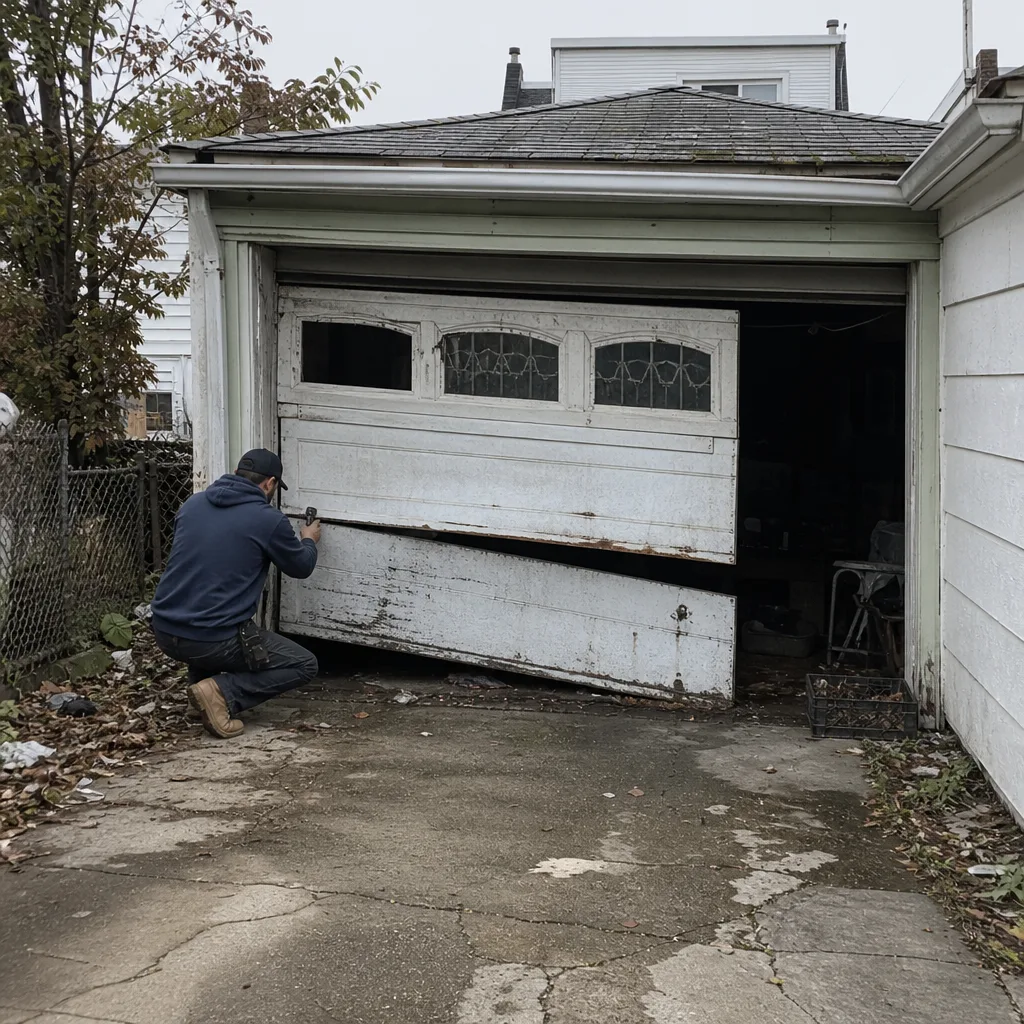 Before
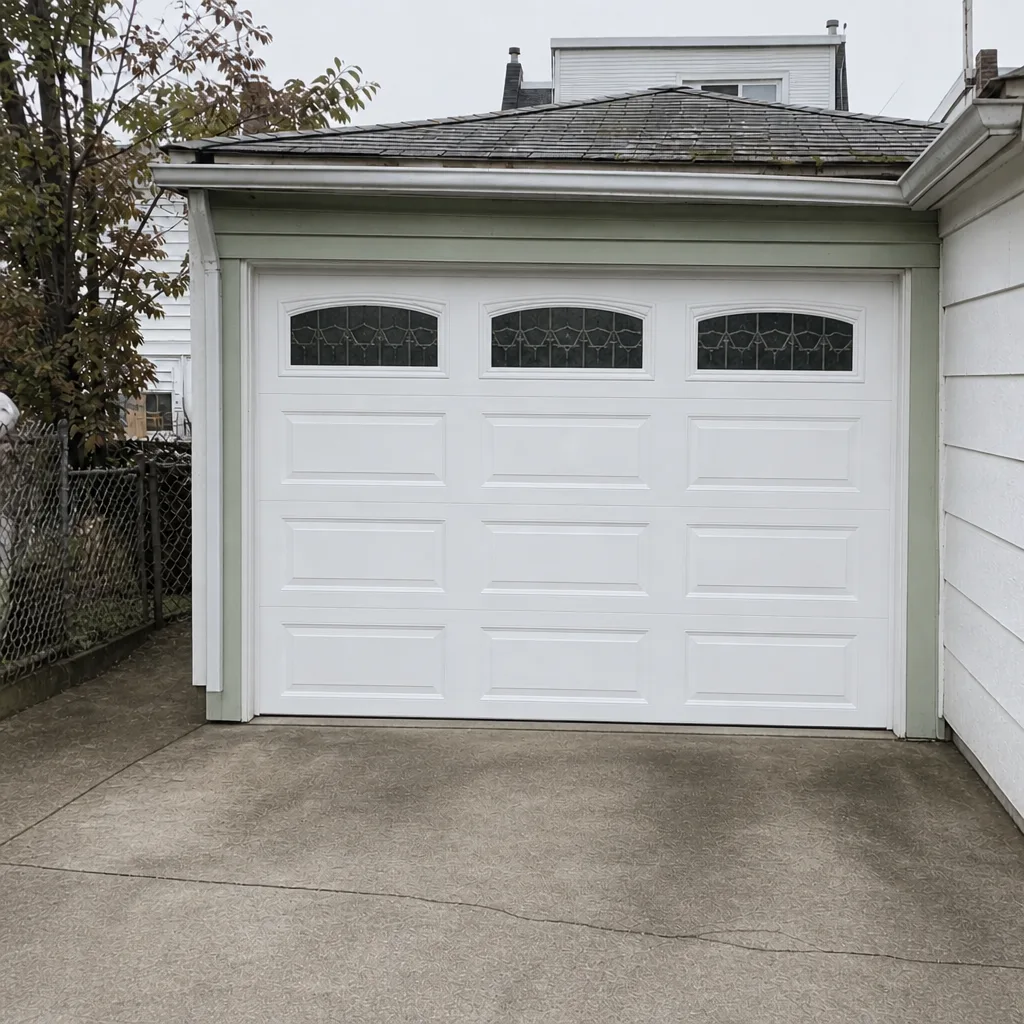 After
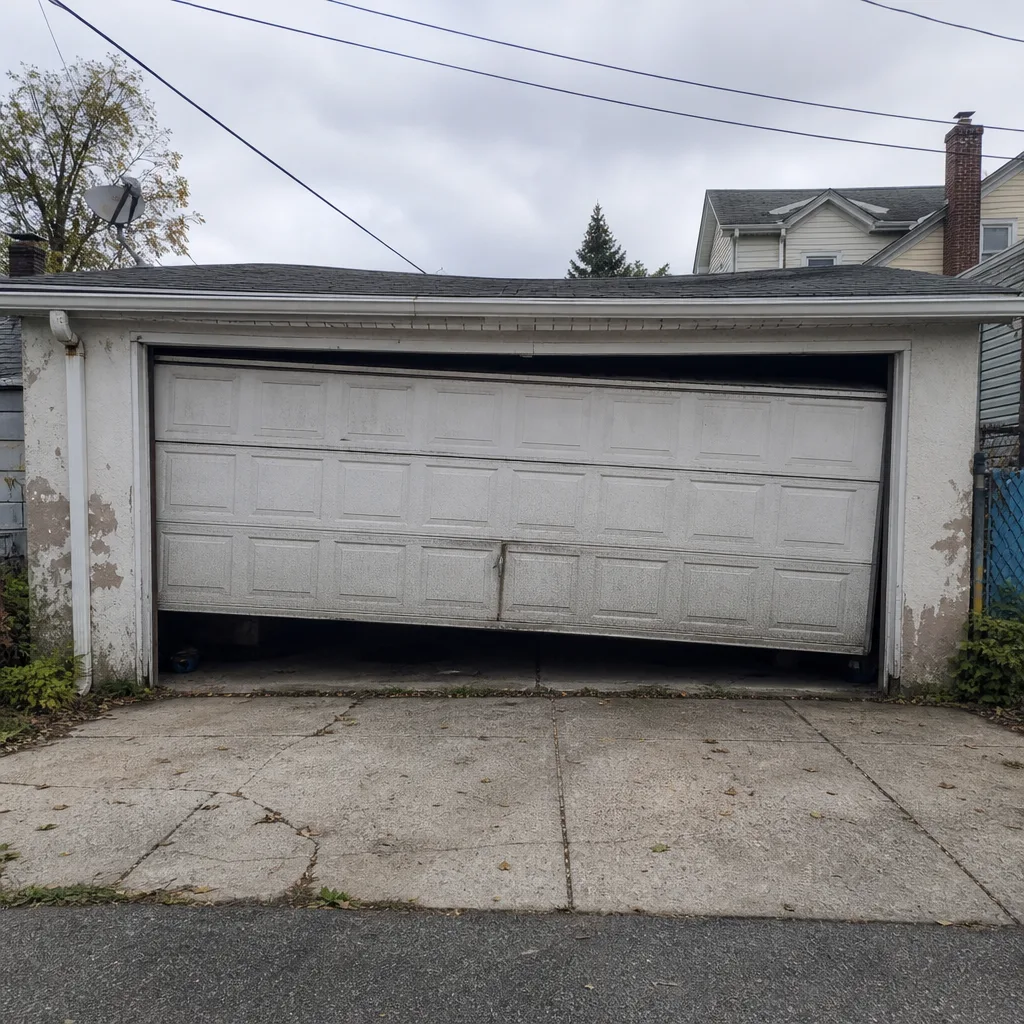 Before
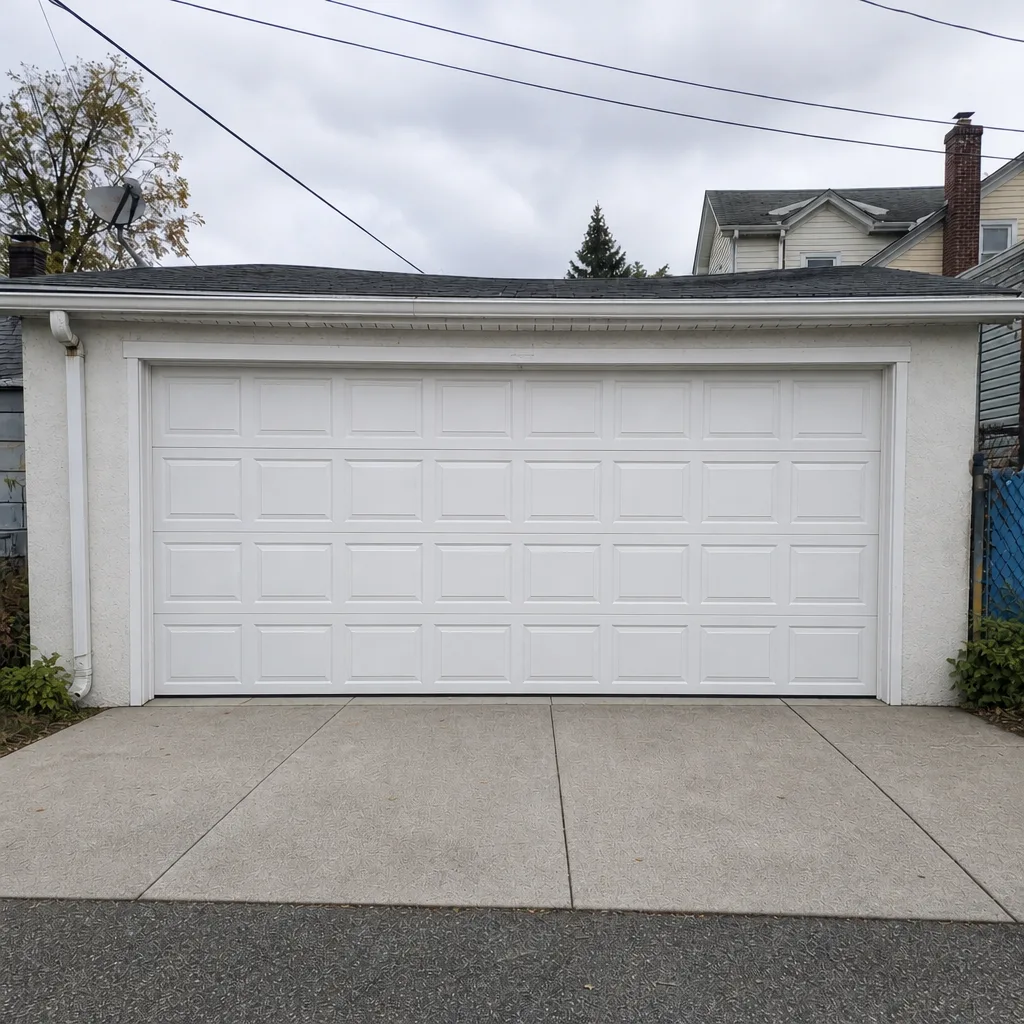 After
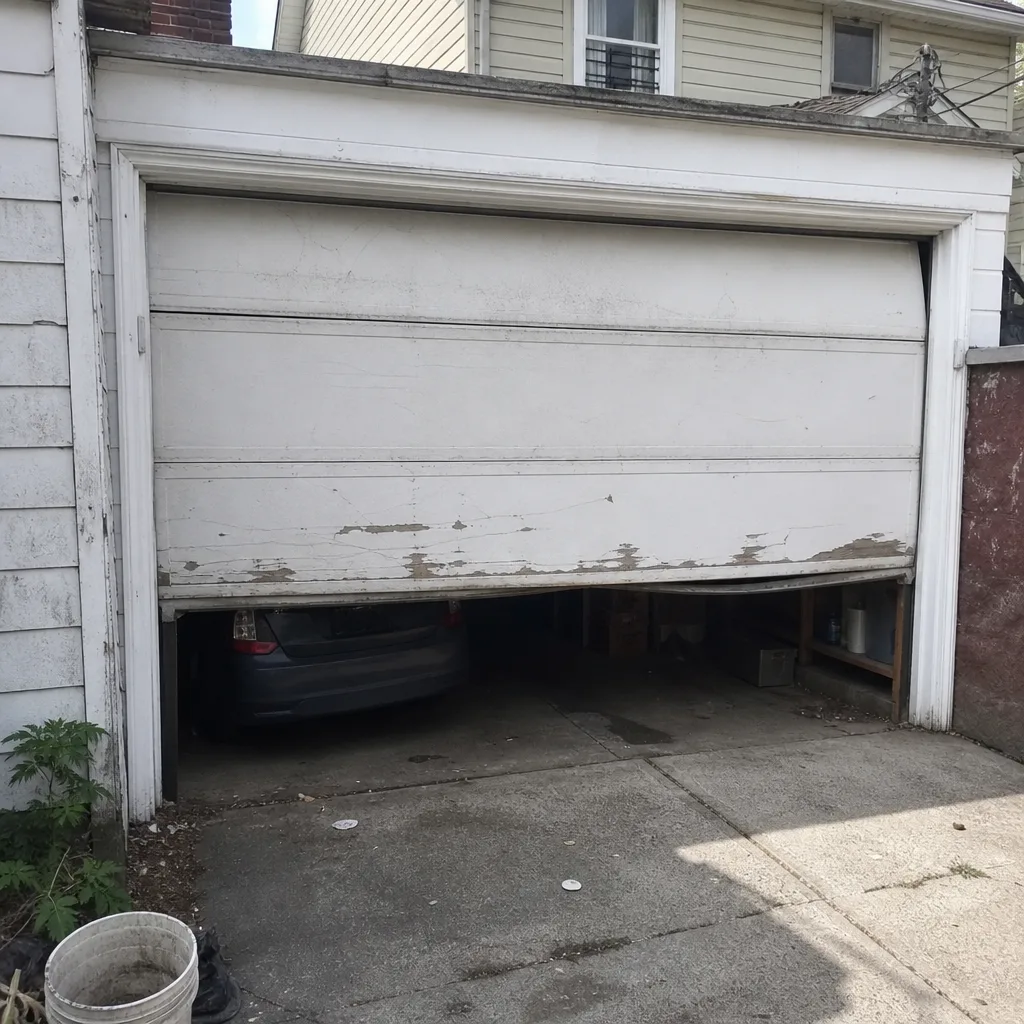 Before
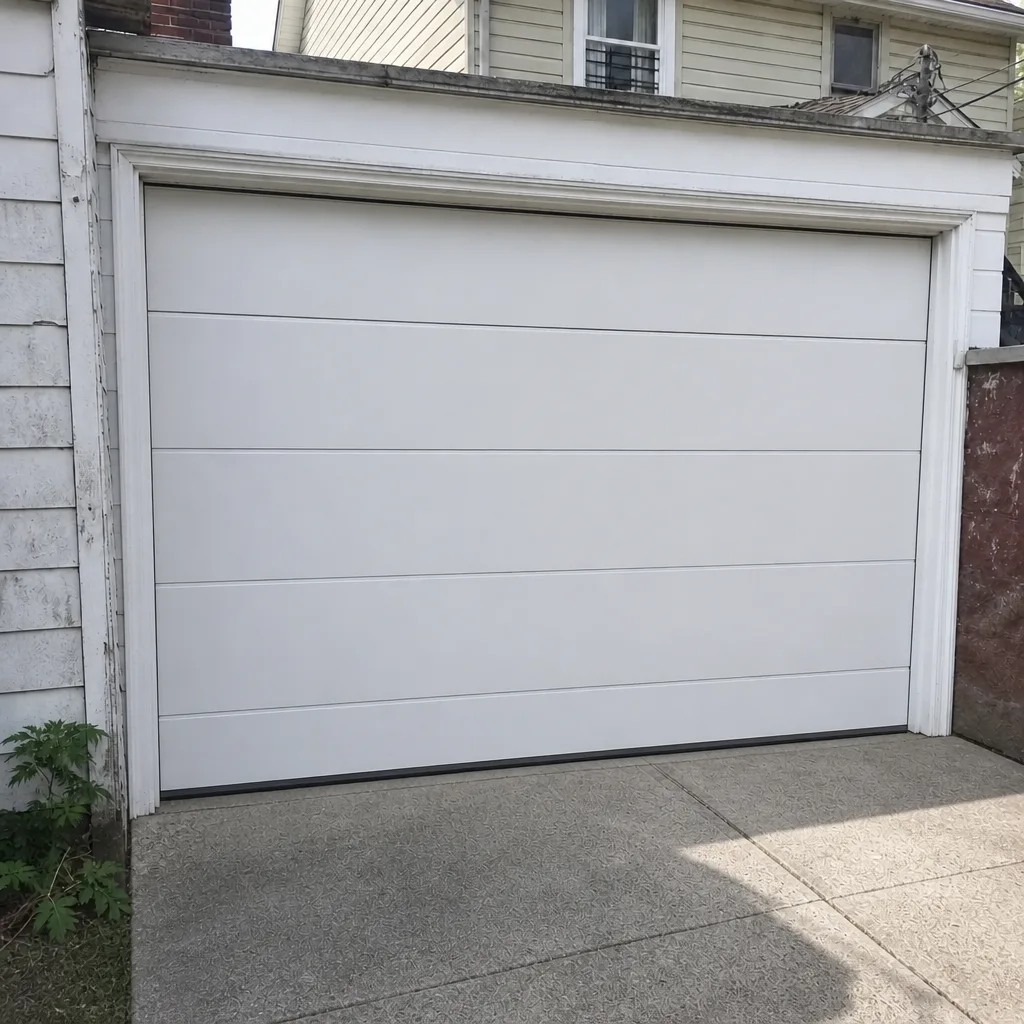 After
When to Call a Professional
Some maintenance is safe for a homeowner with a good checklist and no tools. Some isn’t. Call a technician if you find a broken spring, a sagging or gap-toothed spring, a door that won’t balance, a cable that looks slack or frayed, a failing safety reverse, or hardware that keeps loosening despite tightening. We also recommend a call if your door is making a new grinding or screeching noise on cycle, or if the opener keeps failing the safety test. Spring work, cable work, and any adjustment to the door’s high-tension hardware are not DIY jobs; they can injure someone badly. Garage Door Repair Mott Haven offers free estimates in Mott Haven for exactly these situations, and you can call (877) 931-8297. A written price is agreed before any work starts, so you know what you’re paying before anyone touches the door.
Frequently Asked Questions
A typical checklist covers monthly visual and hand checks of the seal, rollers, and tracks, quarterly cleaning and lubrication, and an annual balance and safety-reverse test. In Mott Haven, it should also include quarterly roller-stem cleaning for urban grit and a midwinter bottom-seal inspection.
Quarterly is the safe baseline, and monthly if your door faces a high-traffic corridor. Lubricate roller stems and hinge pivots, but never the tracks, and use silicone or white lithium rather than WD-40.
No. WD-40 strips the protective coating from springs and speeds corrosion in a humid environment. Use a purpose-made spring lubricant or white lithium grease, and have a technician inspect springs if you’re unsure. Call (877) 931-8297 for a free estimate.
Urban particulate on roller stems and salt from winter road treatments are the two big accelerants, and heavy truck traffic vibration loosens fasteners faster than you’d expect in a quieter area. A checklist that accounts for all three will keep a door in good condition.
No. High-tension springs and cables can cause serious injury if they release under load. Spring work requires trained technicians and proper tools. Call (877) 931-8297 for a free estimate.
No. The price is quoted and agreed before any work starts, and the written estimate sets the final price. Call (877) 931-8297 for a free estimate.
The Bottom Line
Most garage door problems in Mott Haven trace back to conditions a standard checklist doesn’t account for: urban particulate in the roller stems, road salt against the bottom seal, and vibration from heavy street traffic loosening hardware. A monthly five-minute check, a quarterly clean-and-lube pass, and an annual balance and safety-reverse test will keep your door running well, and they’ll tell you early when it’s time to call a professional. If something fails, or if you want a second opinion, Garage Door Repair Mott Haven offers free estimates and same-day service where a repair is needed. Call (877) 931-8297. We answer 24/7. Fast dispatch from 7am to 7pm, Sunday through Friday. We’re closed Saturday; a call outside dispatch hours is booked into the next opening, Sunday through Friday, 7am to 7pm.
Written by the team at Garage Door Repair Mott Haven.